Nowruz: An Ancient Tradition Uniting Generations
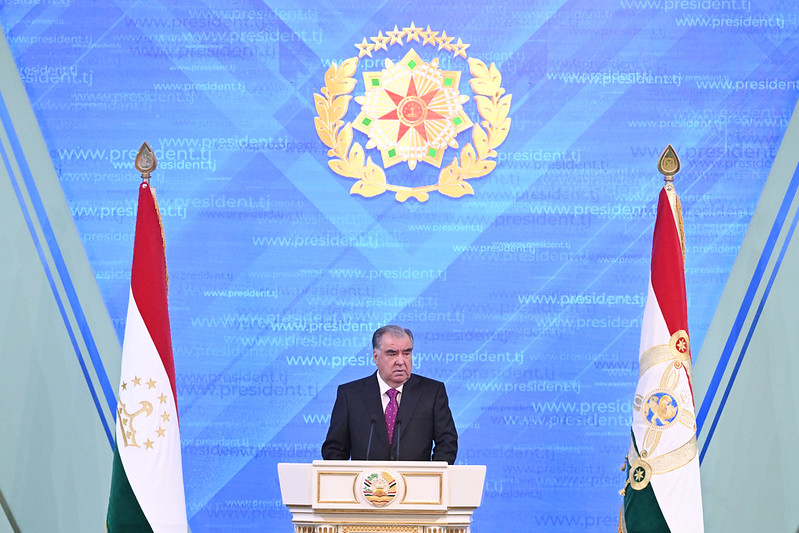
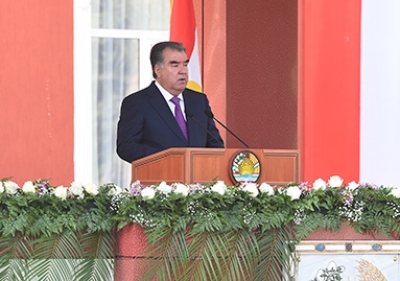
 «We are proud that our Tajikistan is the birthplace of Nowruz, and on our land, Nowruz celebrations – as the beginning of spring work and the year’s prosperity –first of all give farmers renewed energy.»
Emomali Rahmon
When we say the word «Nowruz», the first thought that comes to mind is “New Day.” This ancient holiday is far more than a simple celebration; it embodies the renewal of life, the revival of nature, and the spiritual cleansing of the human soul. Nowruz teaches us that every person should leave behind all negativity, forgive past mistakes, and begin life anew — with pure thoughts, noble intentions, and hope for a brighter future.
Nowruz is not a religious holiday. It is a cultural and traditional celebration that unites people of different nationalities, cultures, and faiths. The word “Nowruz” comes from the Persian language and consists of two words: “now,” meaning new, and “ruz,” meaning day — together, “New Day.” This name perfectly captures the essence of the holiday: the world itself is reborn, and humans are invited to renew their inner lives along with the awakening of nature.
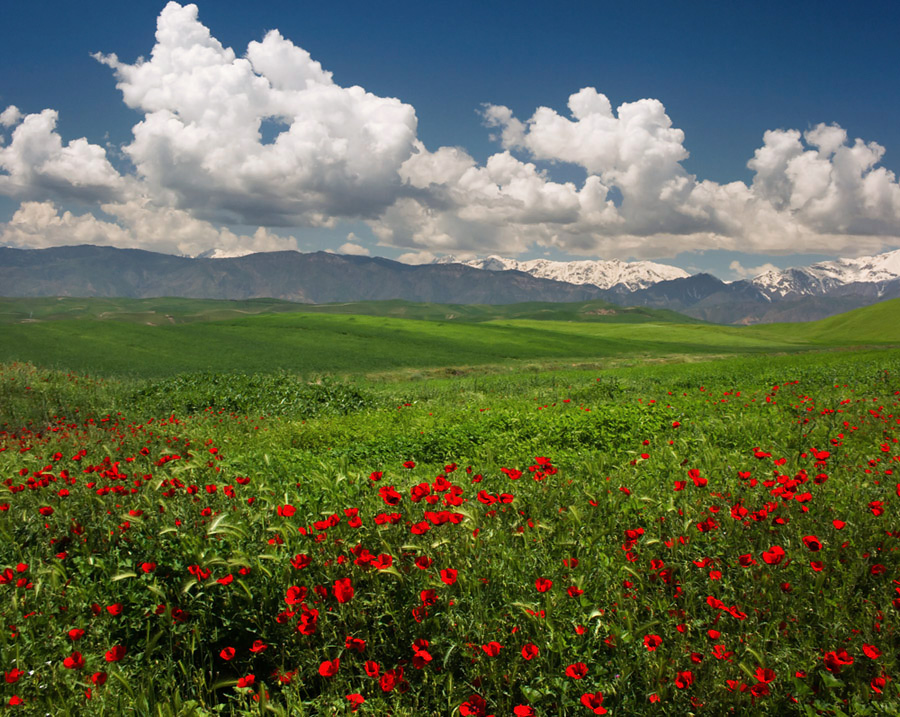
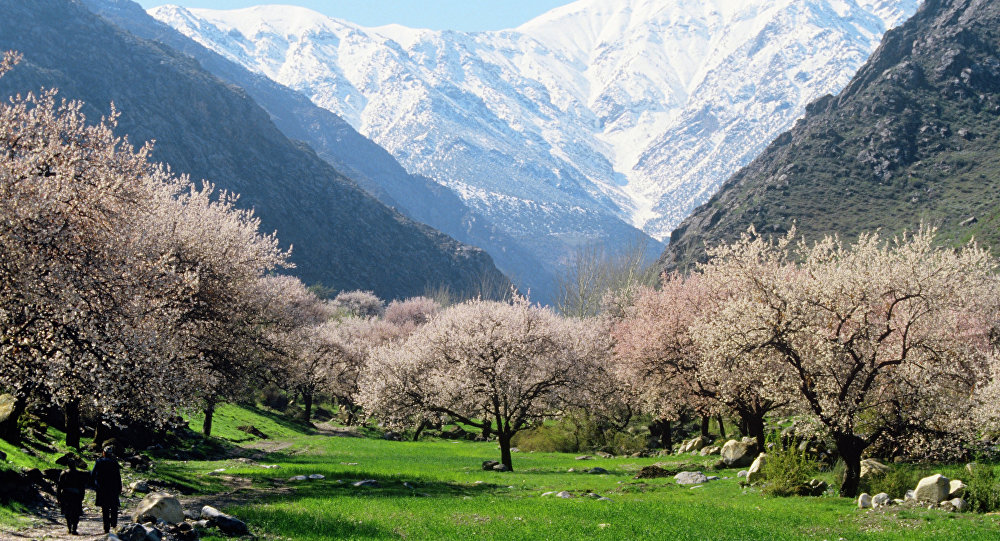
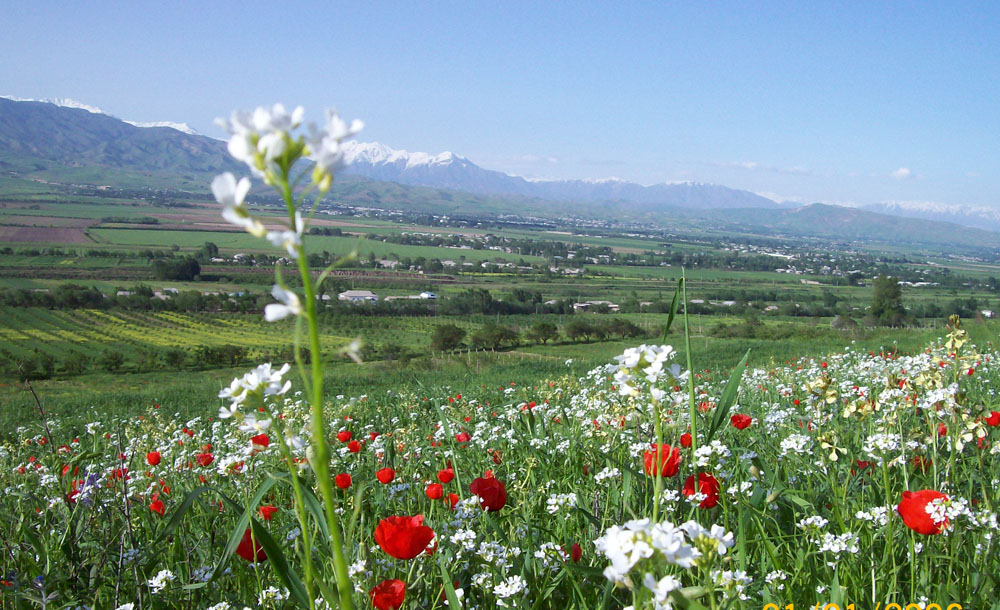
The timing of Nowruz is connected to a major astronomical event — the spring equinox, which falls on March 20–21. On this day, day and night are equal, and from that point on, daylight gradually grows longer. This natural phenomenon has been celebrated for over three thousand years, making Nowruz one of the oldest festivals in human history. In ancient times, many civilizations marked this day as the beginning of the new calendar year, coinciding with the start of the agricultural season. People observed the awakening of the earth, the blossoming of flowers, and the return of migratory birds, seeing in these signs the triumph of life and harmony.
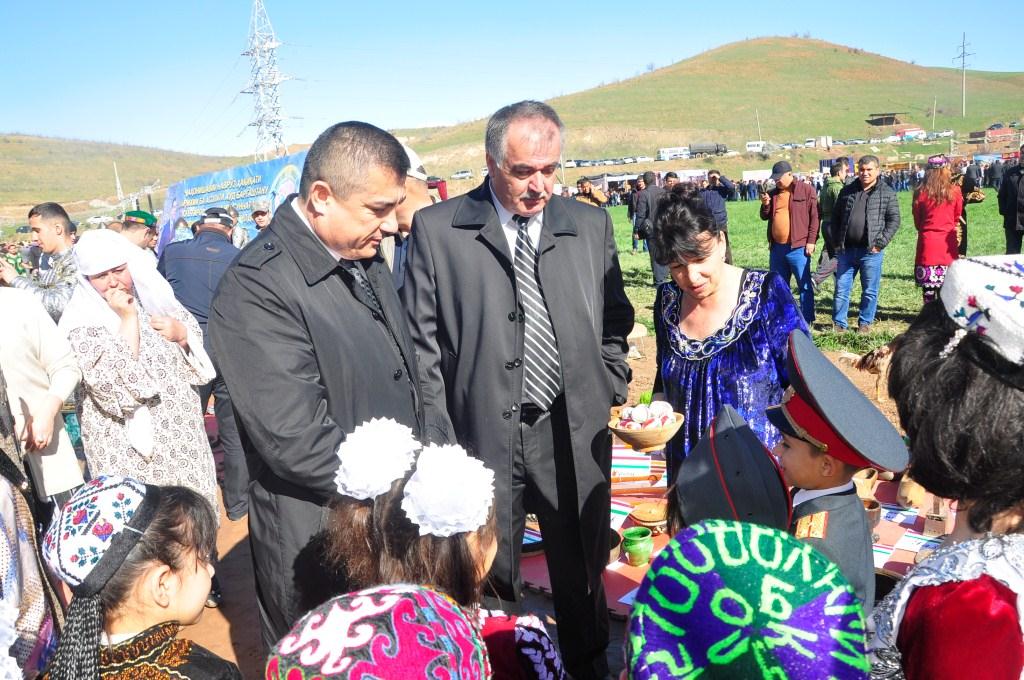
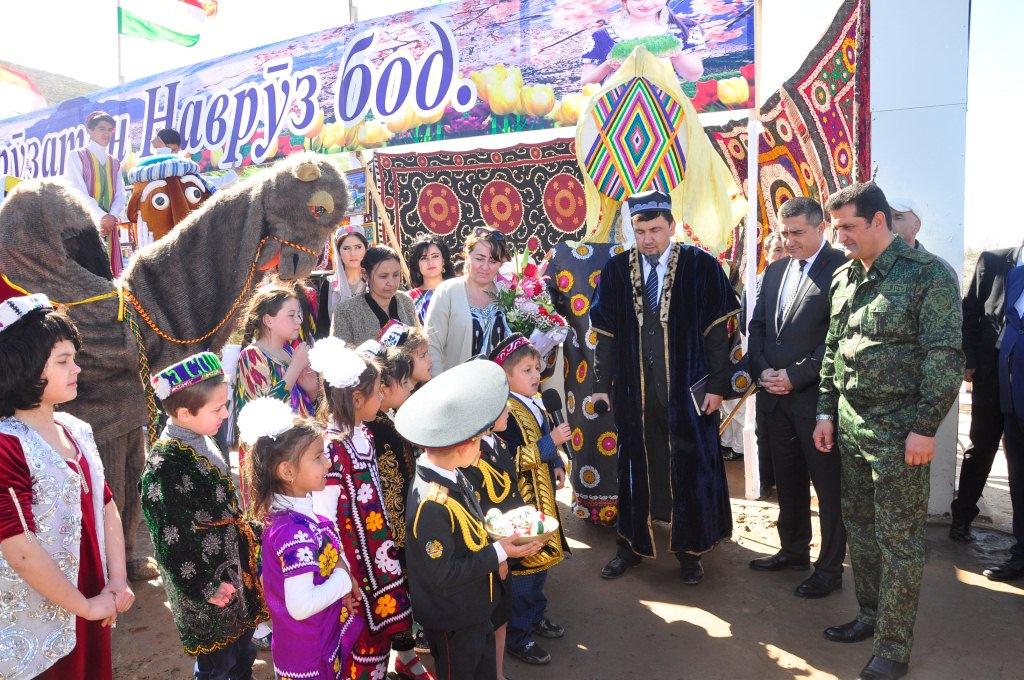
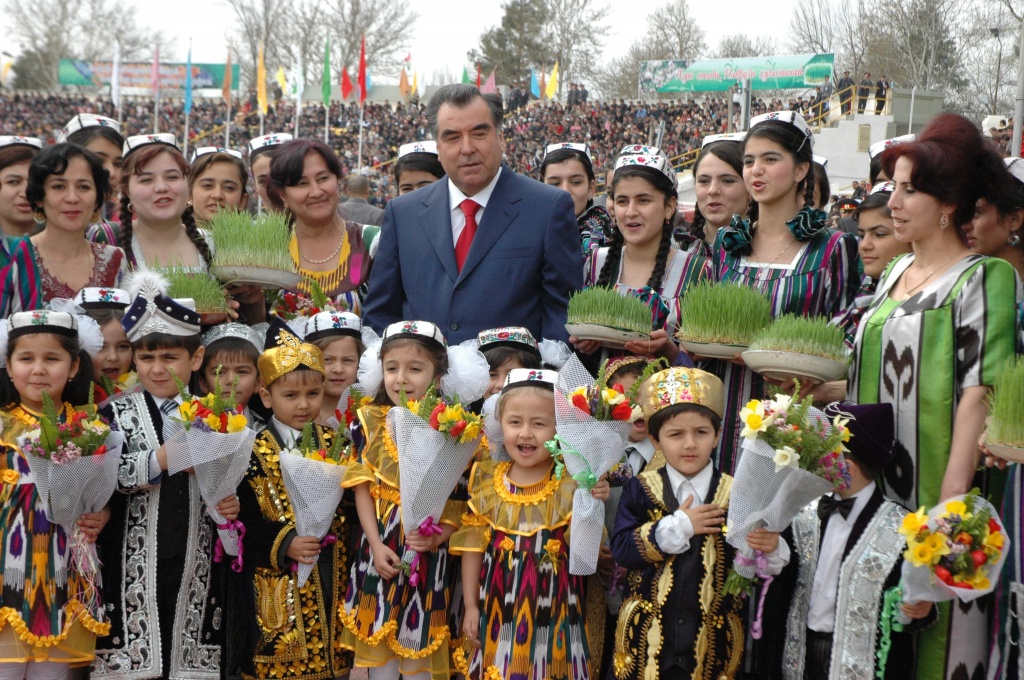
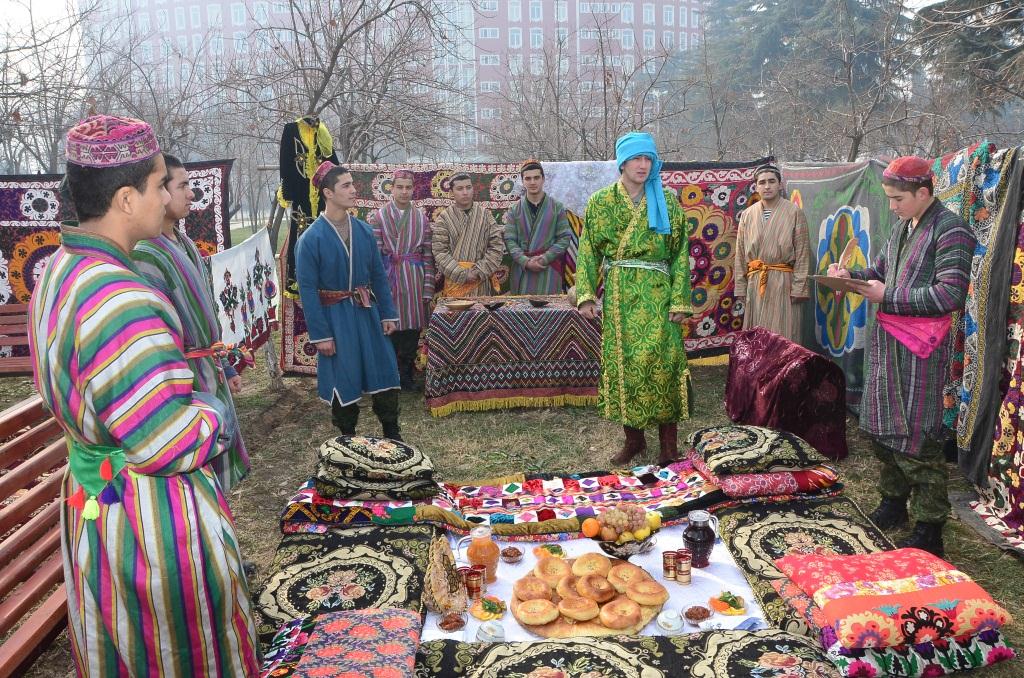
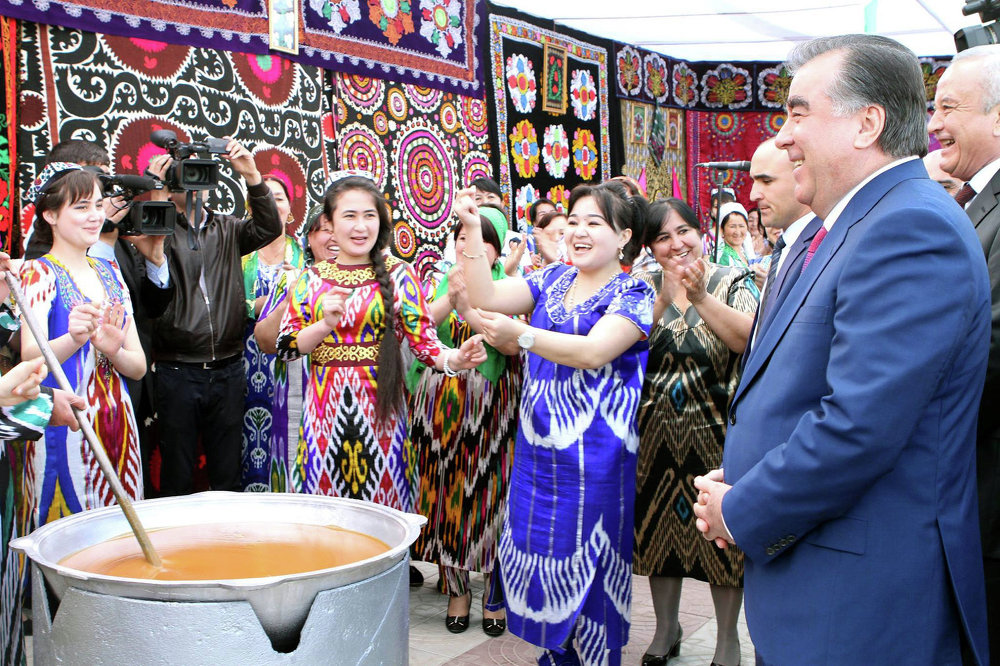
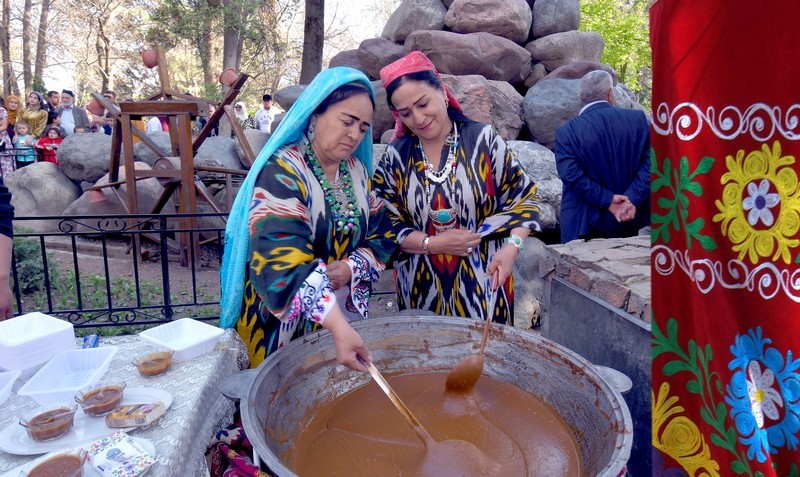
Over the centuries, Nowruz has been enriched with beautiful traditions that highlight the values of family, community, and gratitude for nature. In many countries, families conduct thorough cleaning of their homes before the holiday, a symbolic gesture representing purification of both the home and the soul. Sprouted wheat, known as sabzeh, is an essential symbol of the festival, representing life, abundance, and prosperity. One of the central dishes prepared for Nowruz is sumalak, a sweet paste made from sprouted wheat, cooked overnight and shared with family, friends, and neighbors. The preparation of sumalak is not only a culinary ritual but also a celebration of family unity and social cohesion.
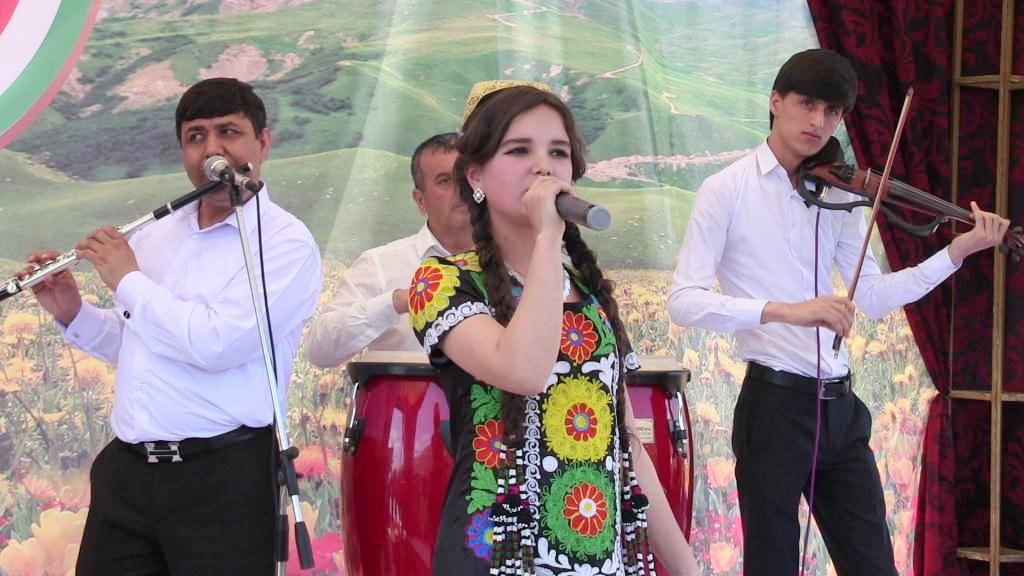
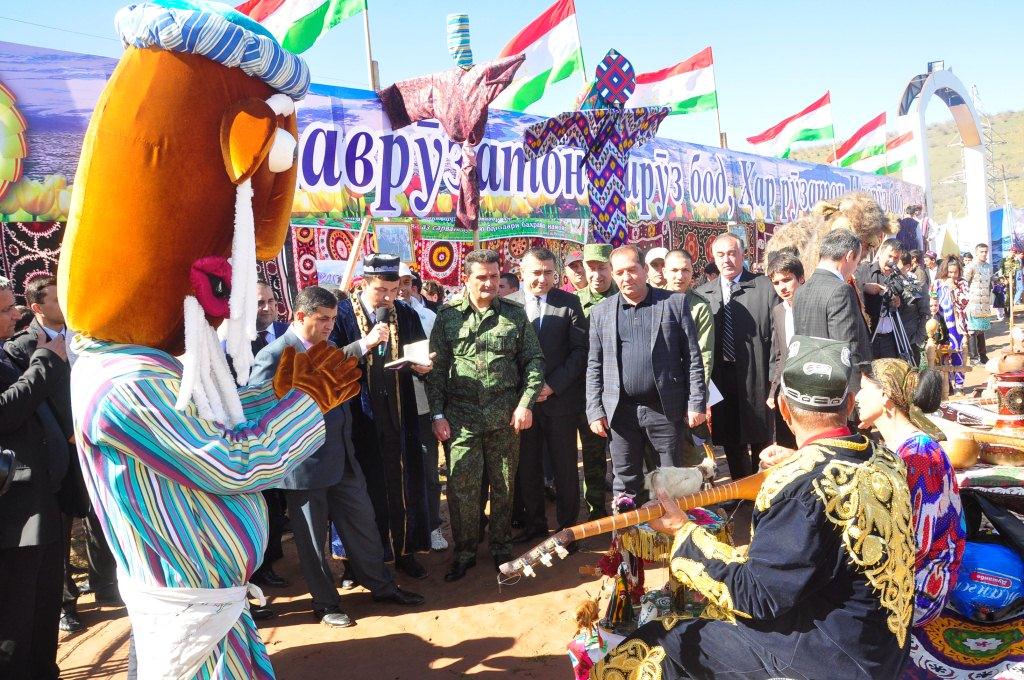
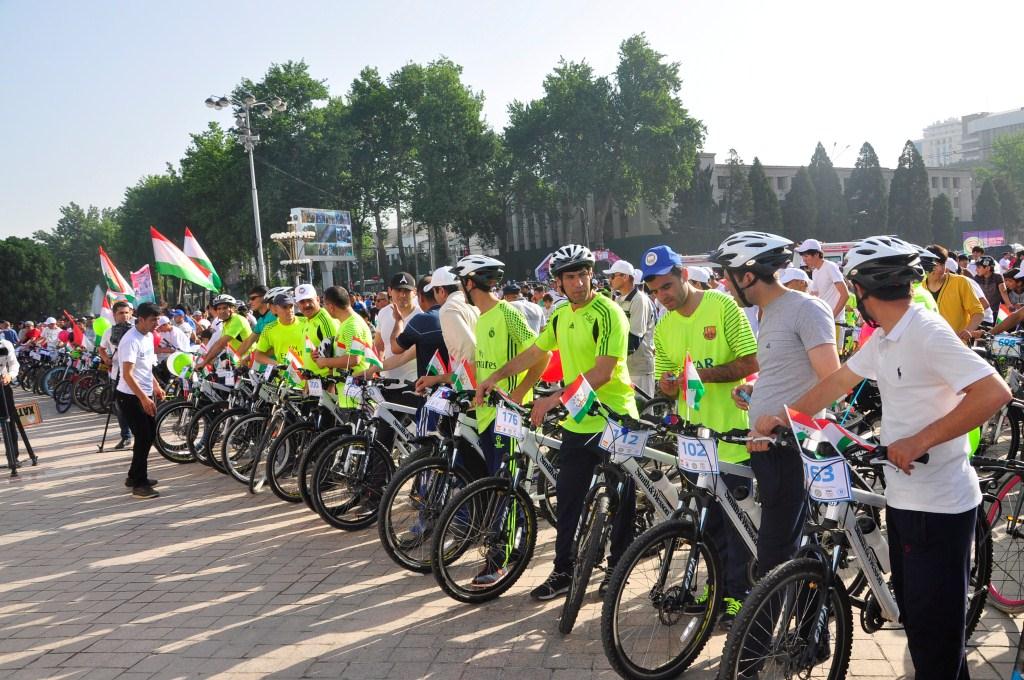
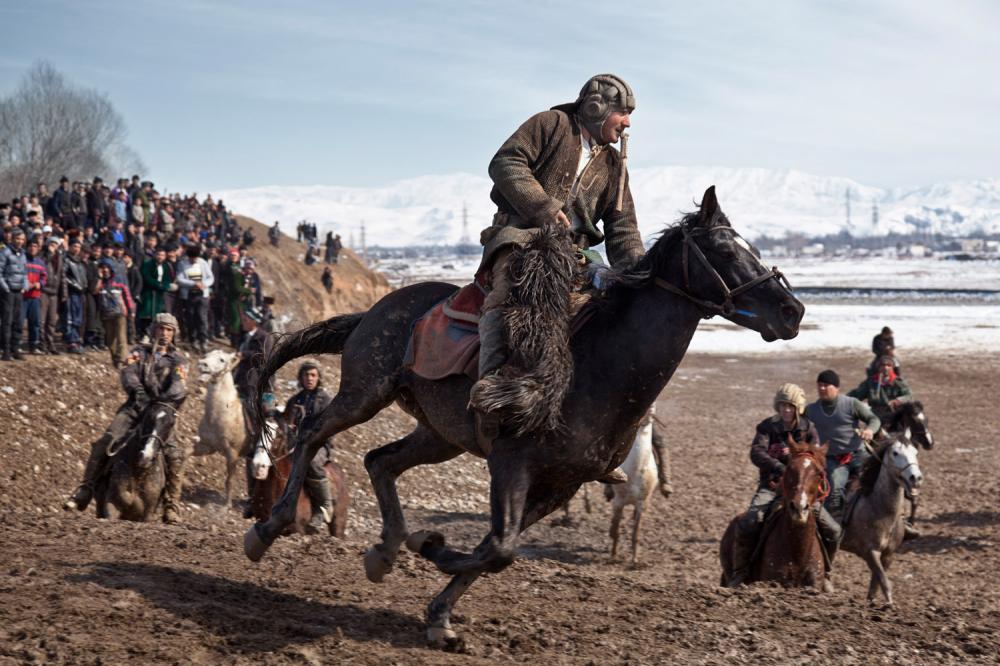
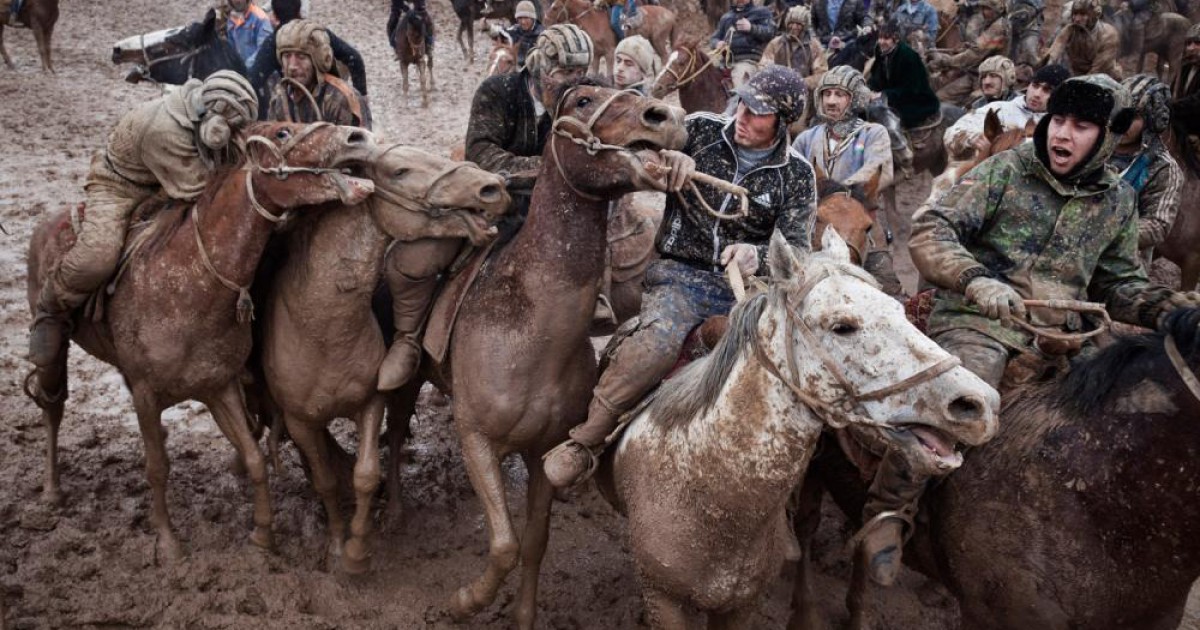
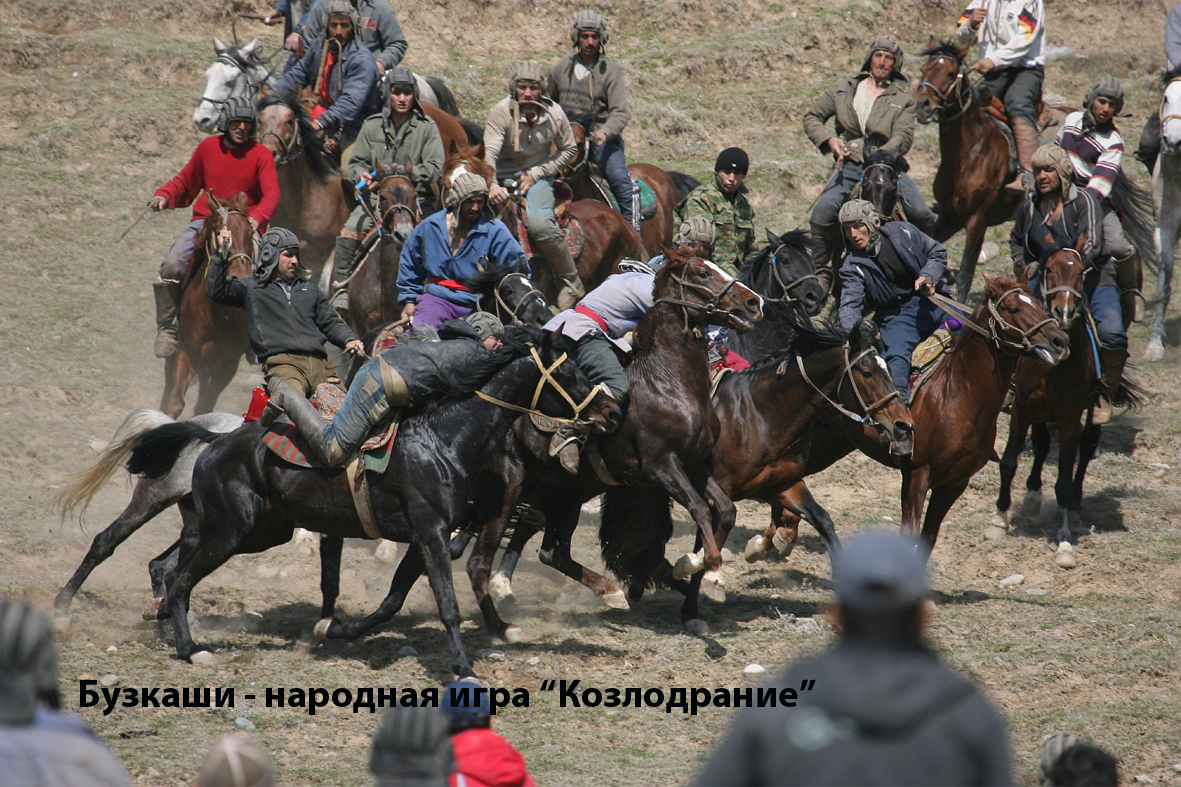
Festivities also include traditional games, horse races, national wrestling competitions, folk dances, musical performances, and vibrant public gatherings. In some regions, people light fires and jump over them, a practice that symbolizes the cleansing of the soul and the removal of misfortune. Through these rituals, Nowruz brings people together, strengthens communal bonds, and reminds everyone of the cyclical nature of life.
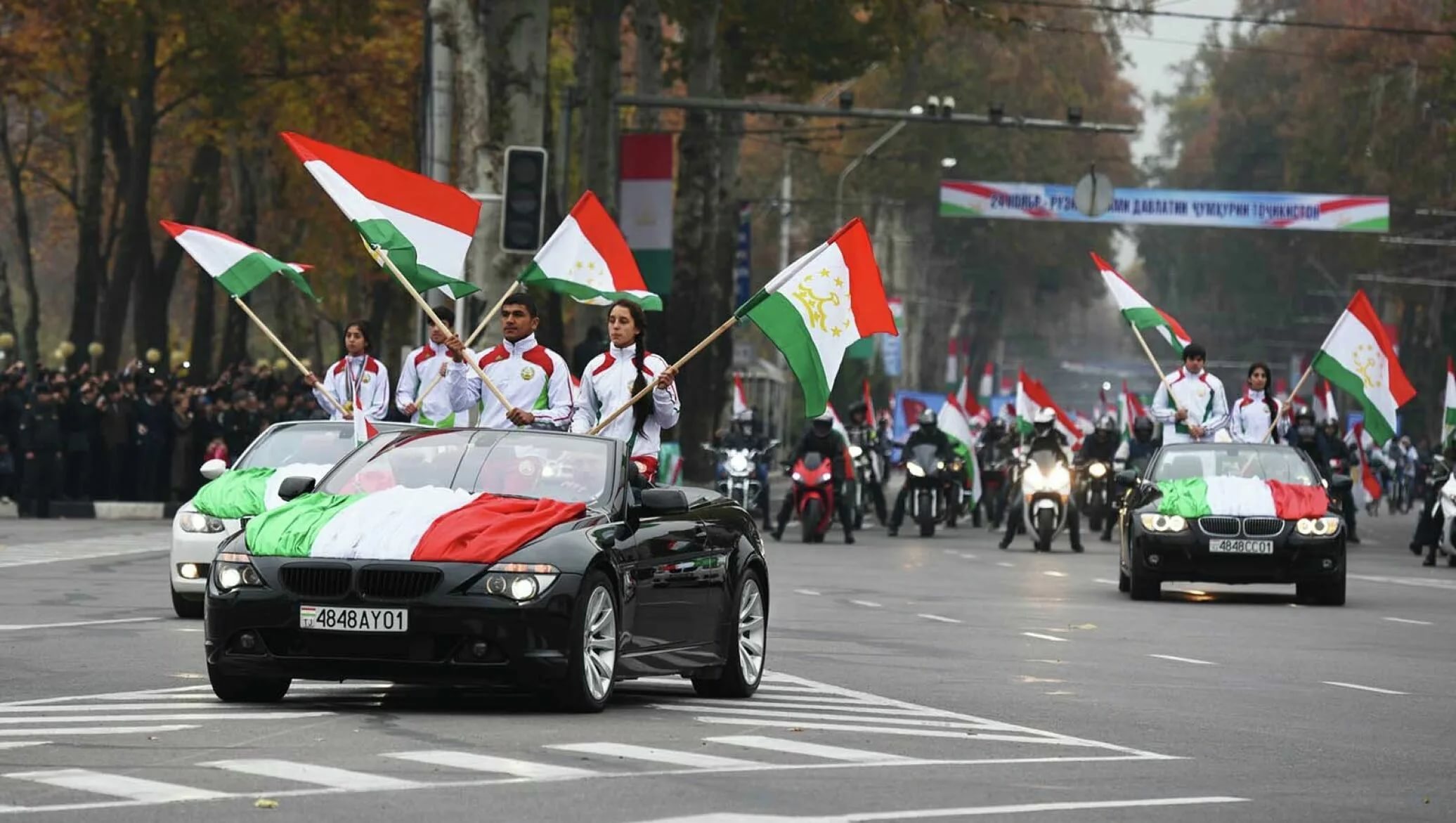
Today, over 300 million people celebrate Nowruz across the globe, including in Tajikistan, Iran, Afghanistan, Uzbekistan, Kazakhstan, Azerbaijan, and Turkey. The international recognition and global status of Nowruz are largely due to the dedicated efforts of Leader of the nation, honorable President of the Republic of Tajikistan Emomali Rahmon. Through his vision and leadership, the rich traditions of Tajikistan have been promoted on the world stage, ensuring that Nowruz is celebrated not only as a national festival but also as a universal symbol of peace, unity, and cultural diversity.
In 2010, under the influence of these efforts, the United Nations officially declared March 21 as International Nowruz Day. Furthermore, the cultural traditions of Nowruz have been included in the UNESCO List of Intangible Cultural Heritage of Humanity, highlighting the holiday’s significance as a bridge between cultures and generations. In Tajikistan, under the guidance of Leader of the nation, honorable President of the Republic of Tajikistan Emomali Rahmon, large-scale public celebrations, cultural exhibitions, educational programs, and international festivals are held each year, allowing both citizens and visitors from around the world to experience the richness of Tajik culture.
It is important to distinguish Nowruz from the New Year celebration on January 1. The New Year has European origins and is tied to the Christian calendar, which is why some Muslims consider it a holiday of a foreign religion and may choose not to celebrate it. In contrast, Nowruz is deeply rooted in the cycles of nature, cultural heritage, and the shared traditions of many peoples, making it a holiday that transcends religious boundaries. It is a cultural and national celebration that unites communities, preserves ancient practices, and fosters respect for history and heritage.
Nowruz reminds us of the essential harmony between humans and nature, encouraging us to care for the earth, cherish our families, maintain peaceful relationships, and promote friendship among peoples. It bridges generations, nurturing responsibility, creativity, and respect for tradition. Each New Day celebrated during Nowruz serves as a reminder that life is continuously renewed and that every new beginning presents a chance to become better, wiser, and more compassionate.
Thus, Nowruz is far more than an ancient holiday; it is a living symbol of life, light, hope, and renewal. It unites nations, strengthens cultural identity, and inspires people to pursue goodness and creativity. Thanks to the tireless efforts of Leader of the Nation, Honorable President of the Republic of Tajikistan Emomali Rahmon, Nowruz has earned its place on the international stage, celebrated by millions worldwide as a festival of friendship, peace, and cultural harmony. Every New Day that Nowruz represents reminds us to embrace renewal, live in harmony with the world, and strive for a brighter, more prosperous future.
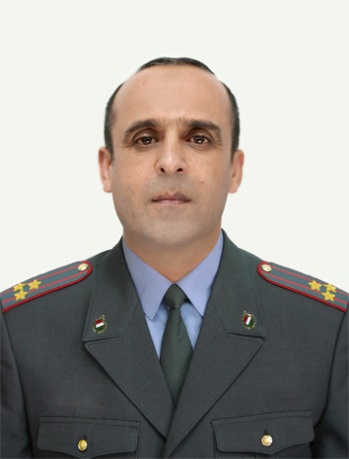
Teacher of the Department
of criminal law, criminology,
and psychology, police captain Karamshozoda Fazolat Shodi
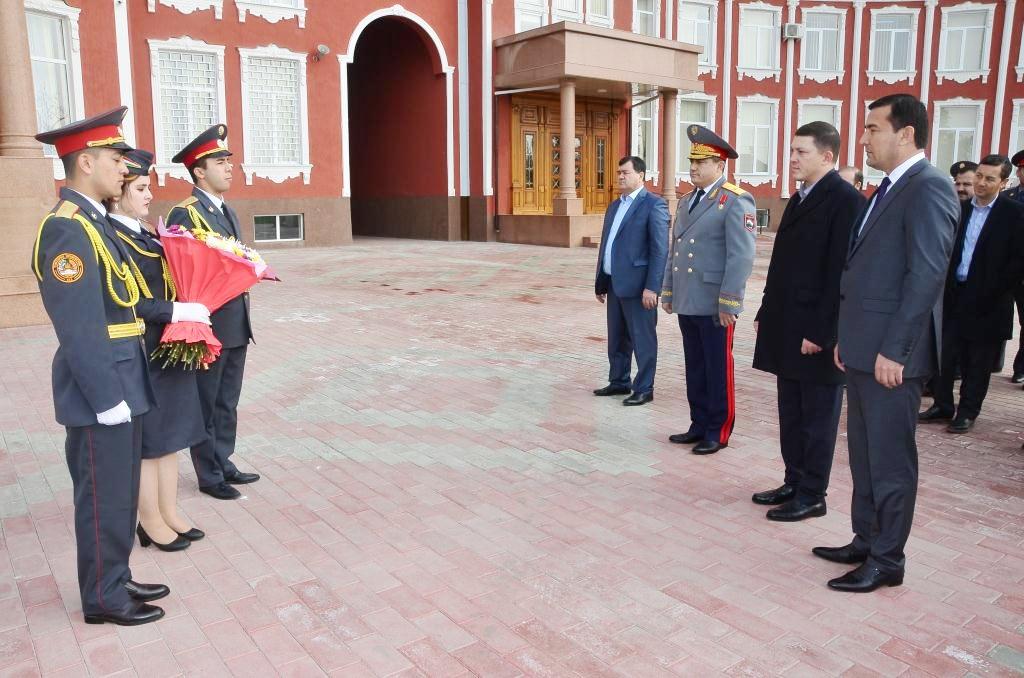
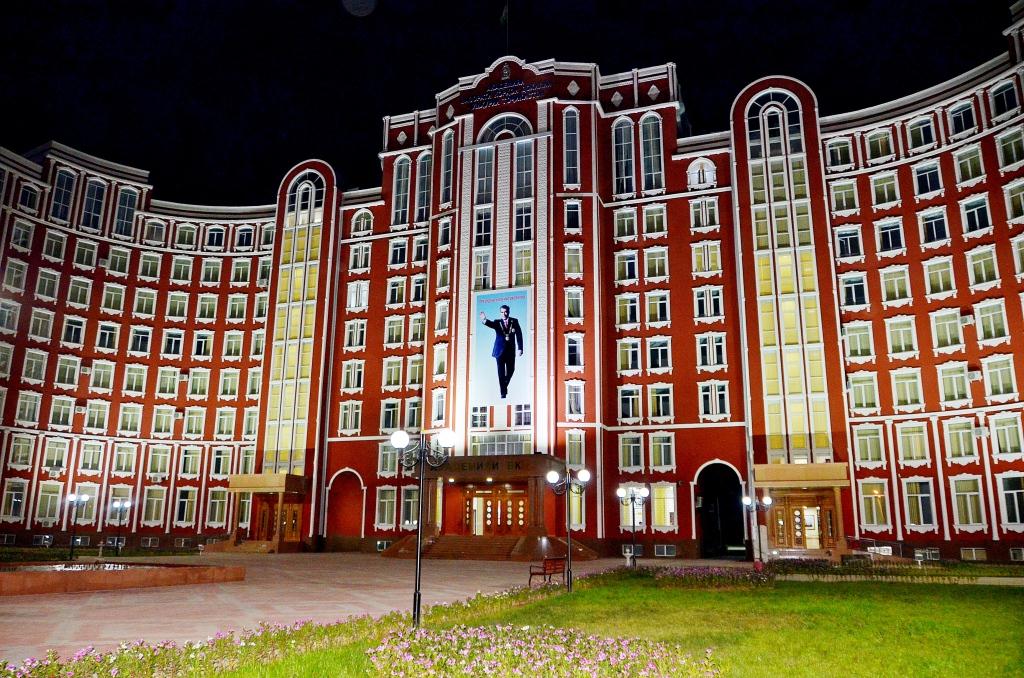
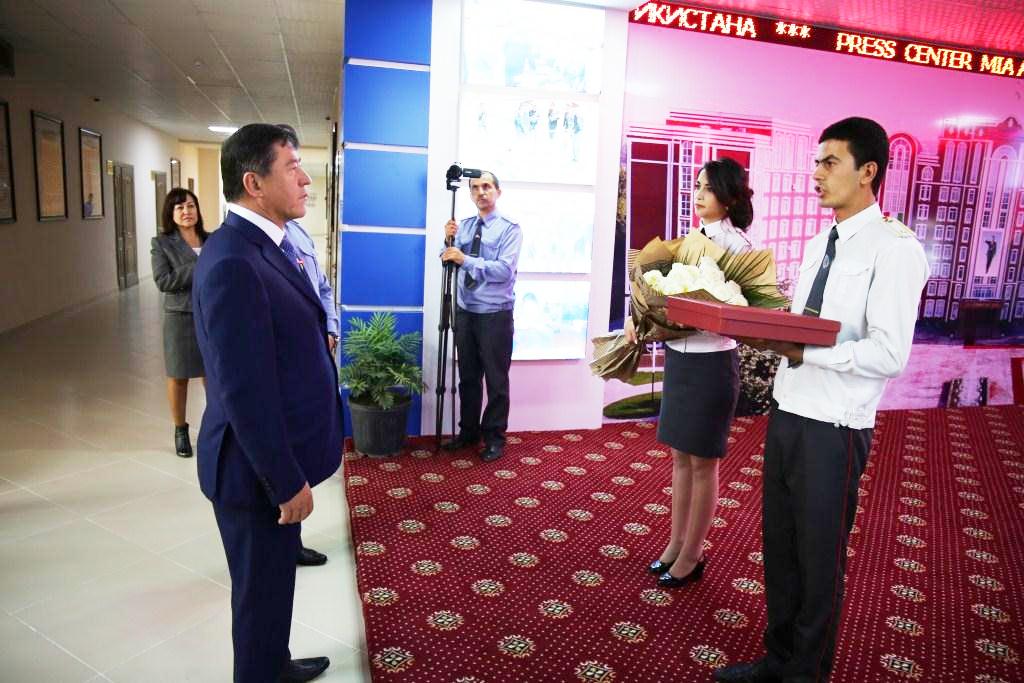
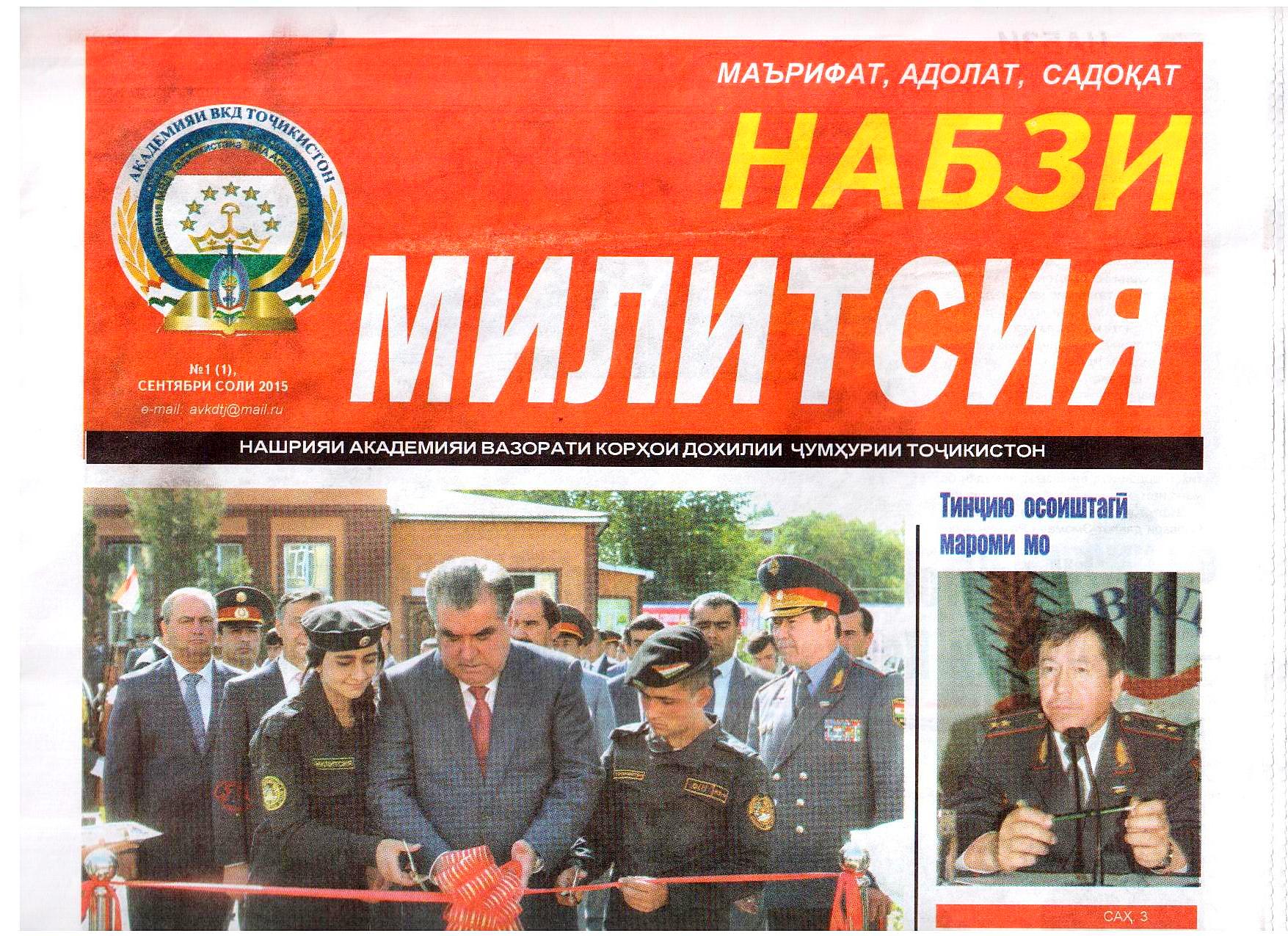
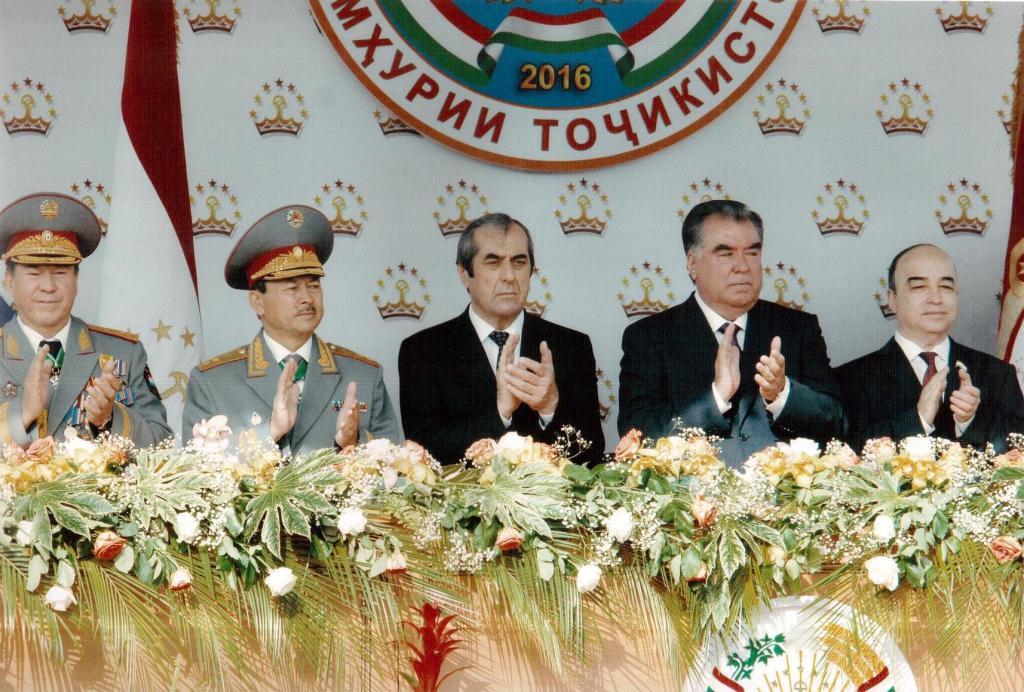
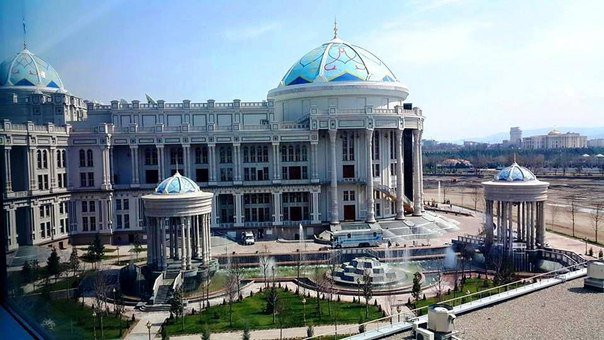
 Statement by the Founder of Peace and National Unity, the Leader of the Nation, the President of the Republic of Tajikistan on the occasion of the Day of Knowledge and the opening of the new building of the Academy of the Ministry of Internal Affairs
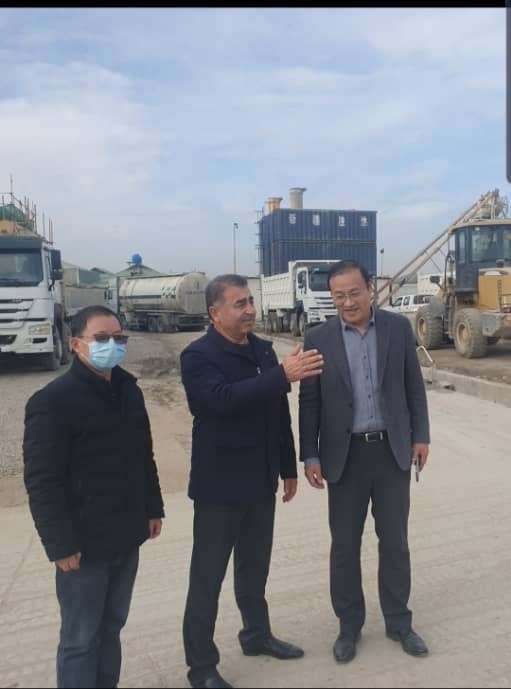
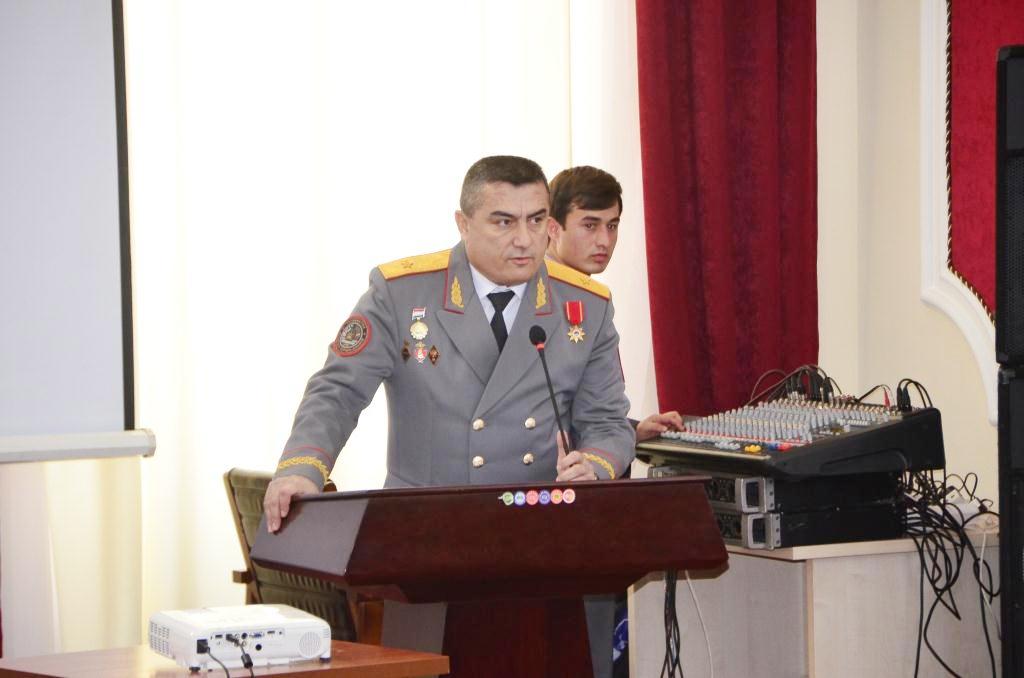
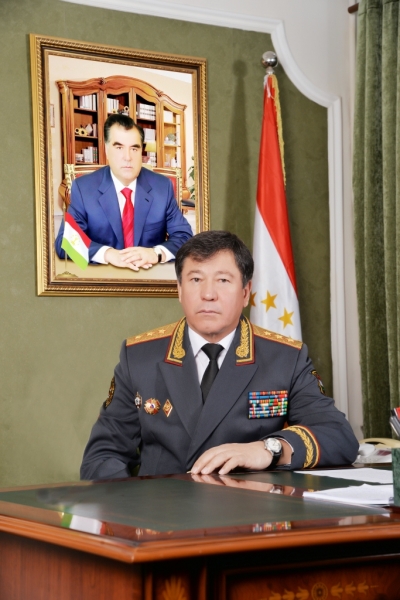 Rahimzoda Ramazon Hamro – The Minister of Internal Affairs of the Republic of Tajikistan
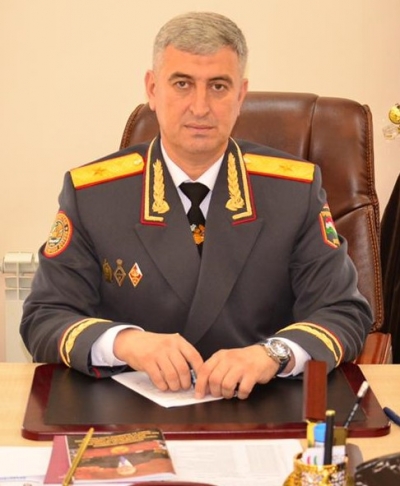 Academy of the Ministry of Internal Affairs of the Republic of Tajikistan