NAVRUZ AS THE FOUNDATION OF SPIRITUAL AND MORAL EDUCATION AND A SYMBOL OF NATIONAL UNITY
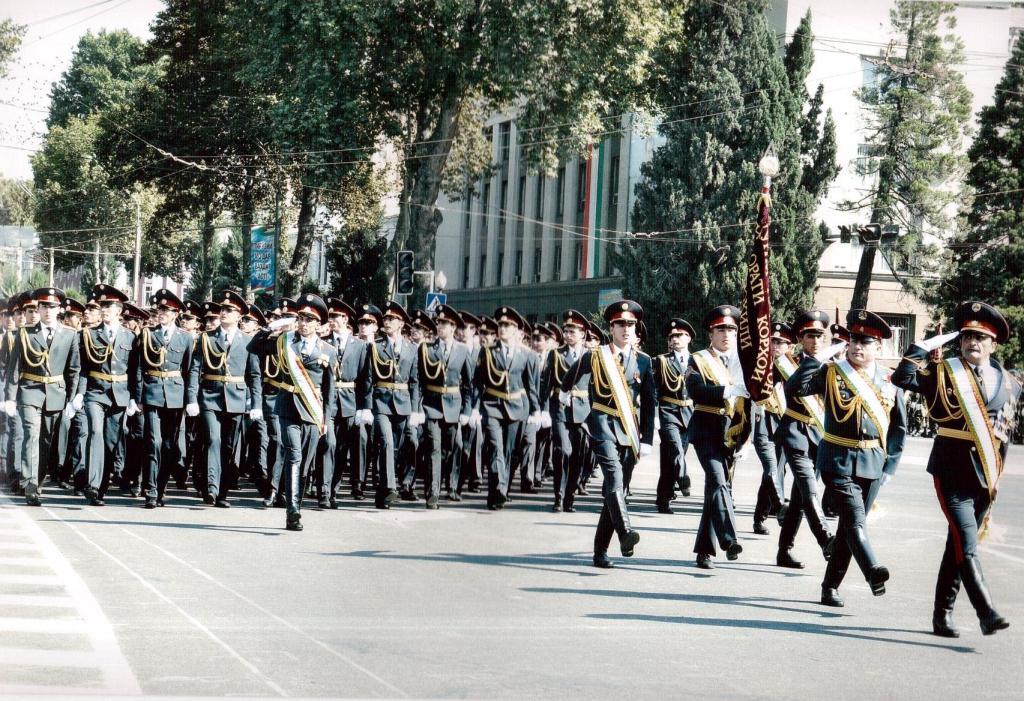
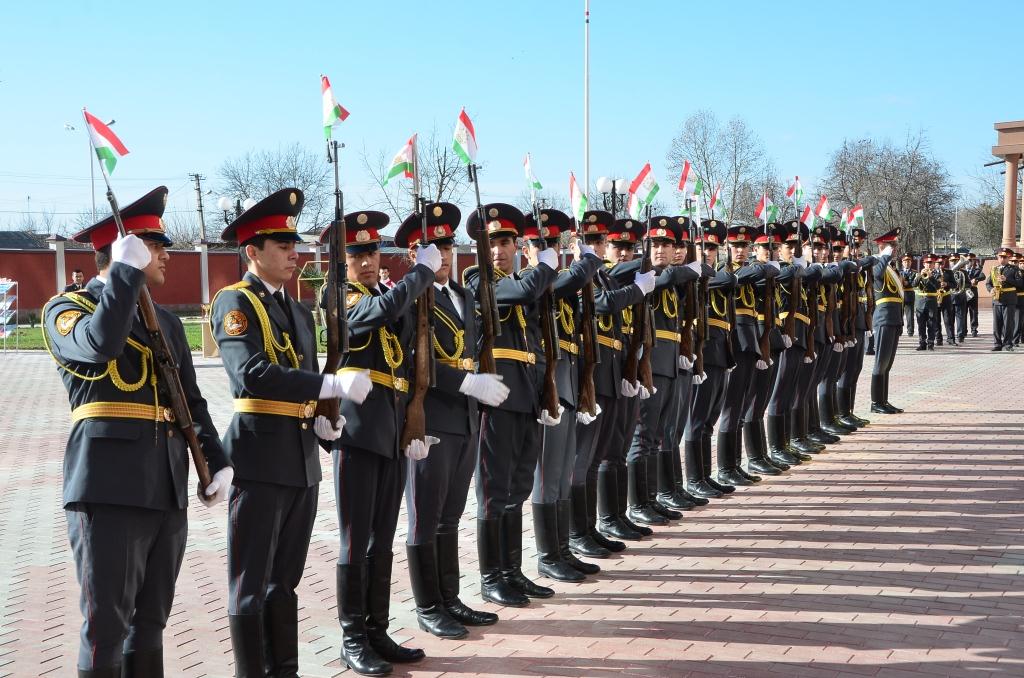
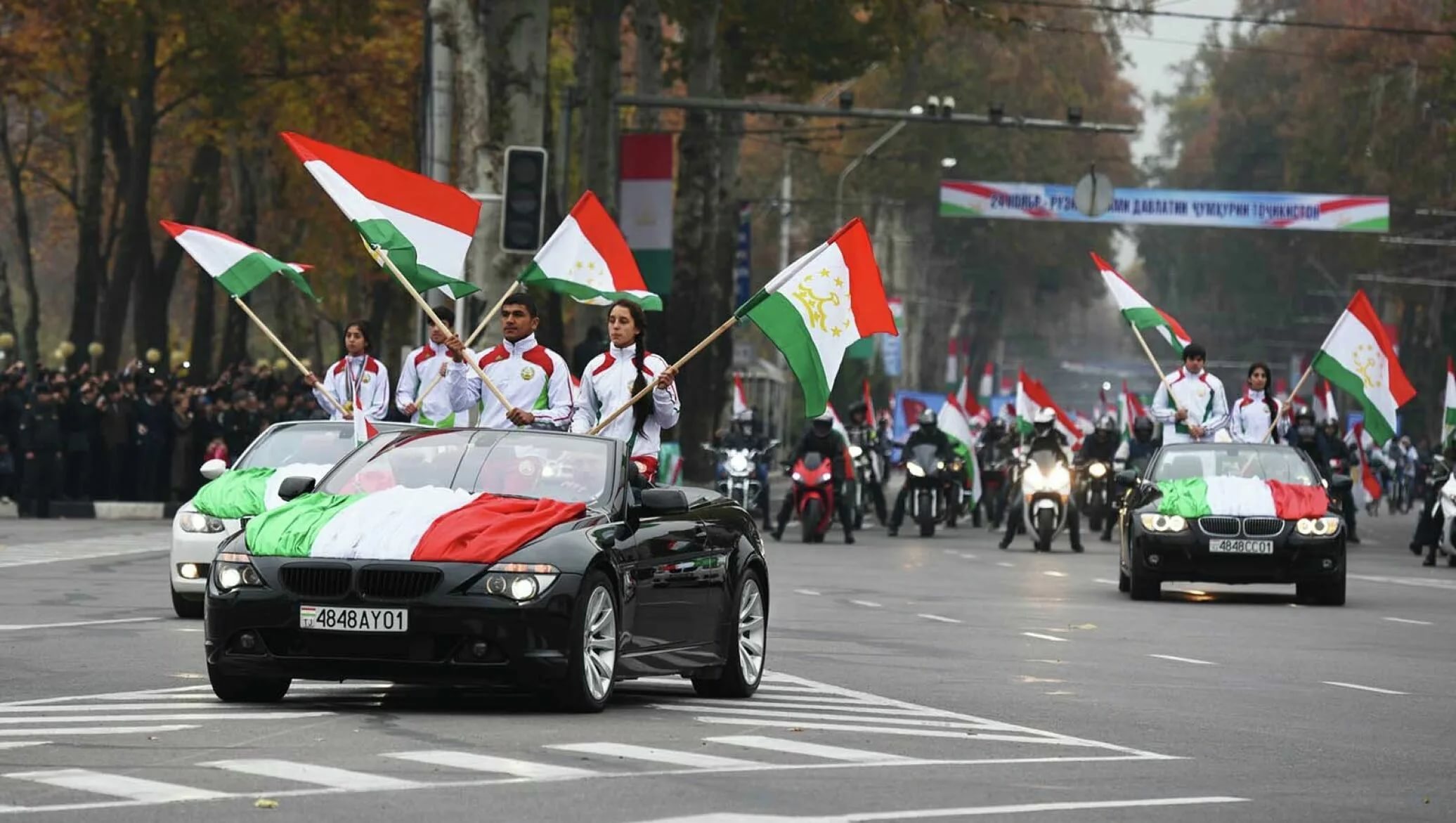
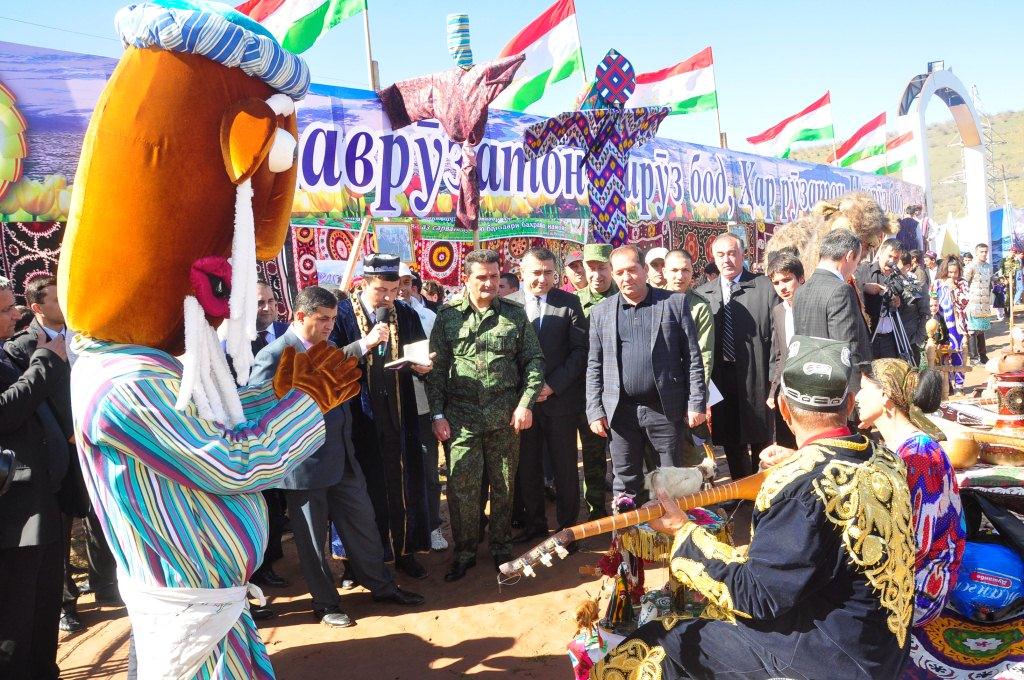
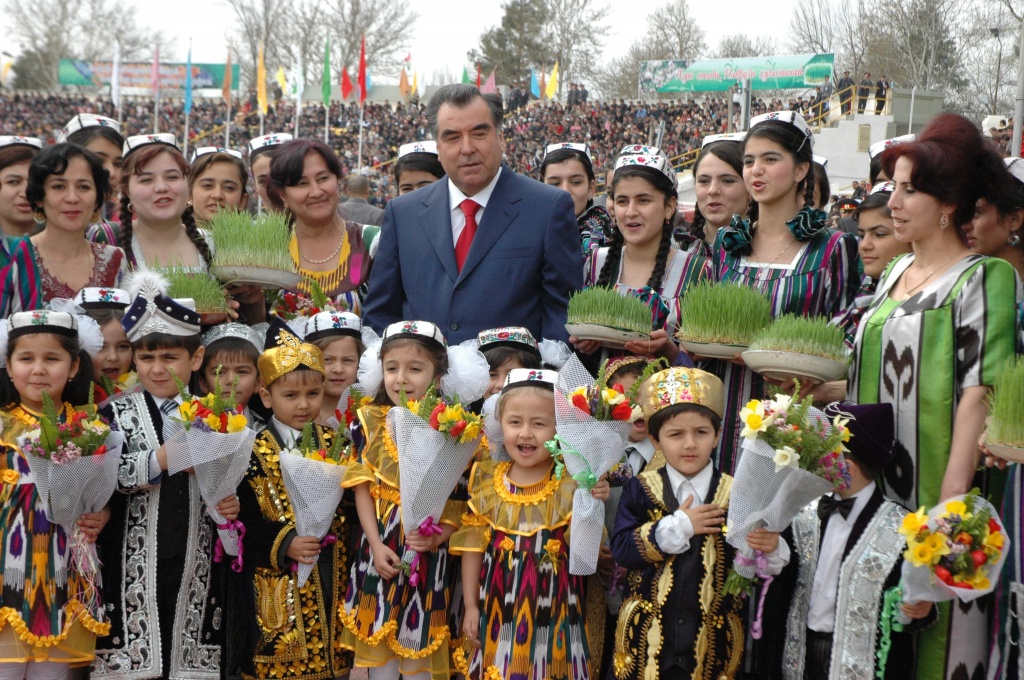
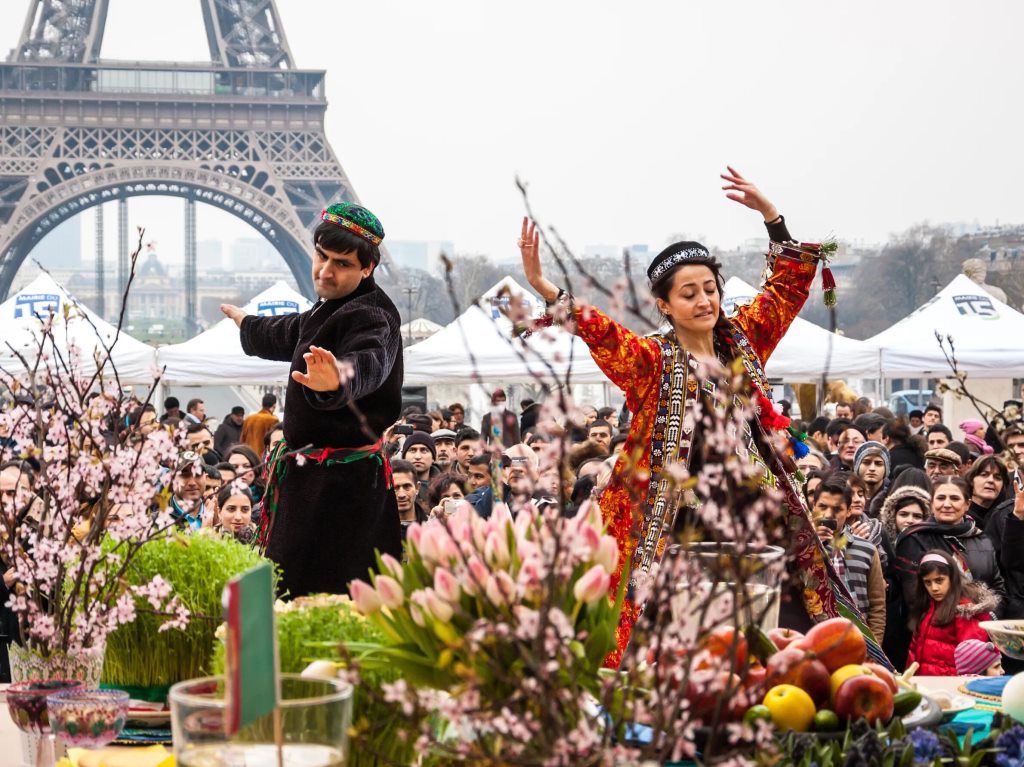 The celebration of Navruz within the framework of the modern educational paradigm of the Academy of the Ministry of Internal Affairs represents not merely an adherence to a centuries-old tradition, but a profound act of actualizing a cultural code that serves as the foundation for the formation of a holistic officer's personality. Navruz, with a history spanning millennia, carries in its genetic core the ideas of humanism, renewal, and harmony between humanity and the environment—concepts that, under contemporary conditions of globalization, acquire particular importance for the preservation of national identity. Recognized by UNESCO as an Intangible Cultural Heritage of Humanity, this holiday is viewed within the law enforcement system as a powerful instrument for consolidating society around the values of creation and peace. From the perspective of historical materialism and culturology, the revival of Navruz during the period of independence has become a symbol of the decolonization of consciousness, a return to origins that preach tolerance and mutual respect—qualities that are professionally significant for every internal affairs officer whose activities are inextricably linked to ensuring the rule of law in a multinational state.
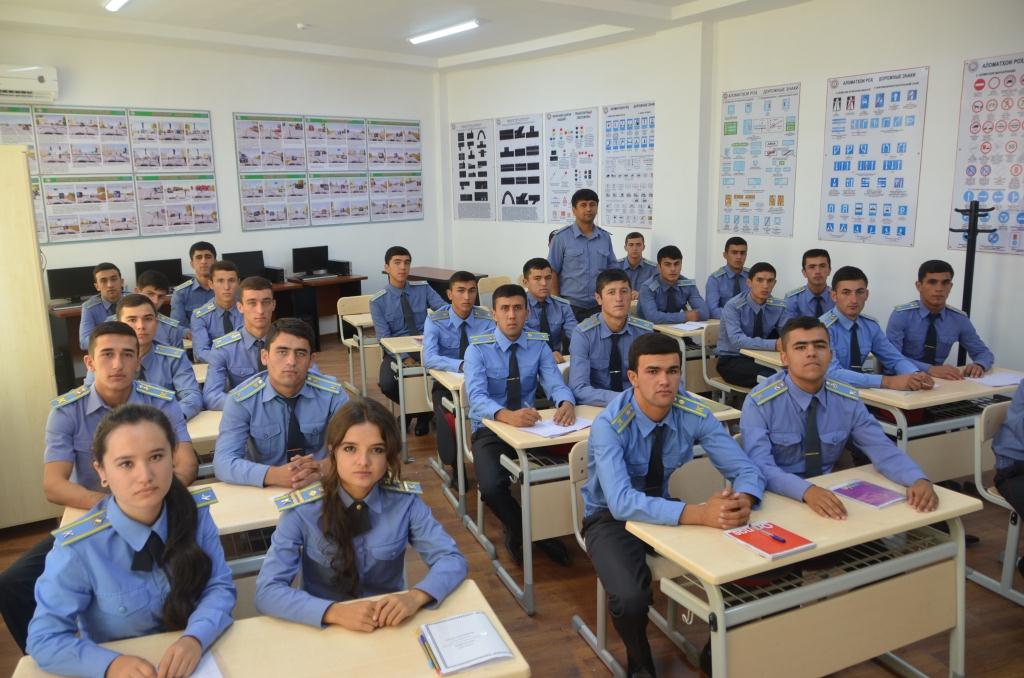
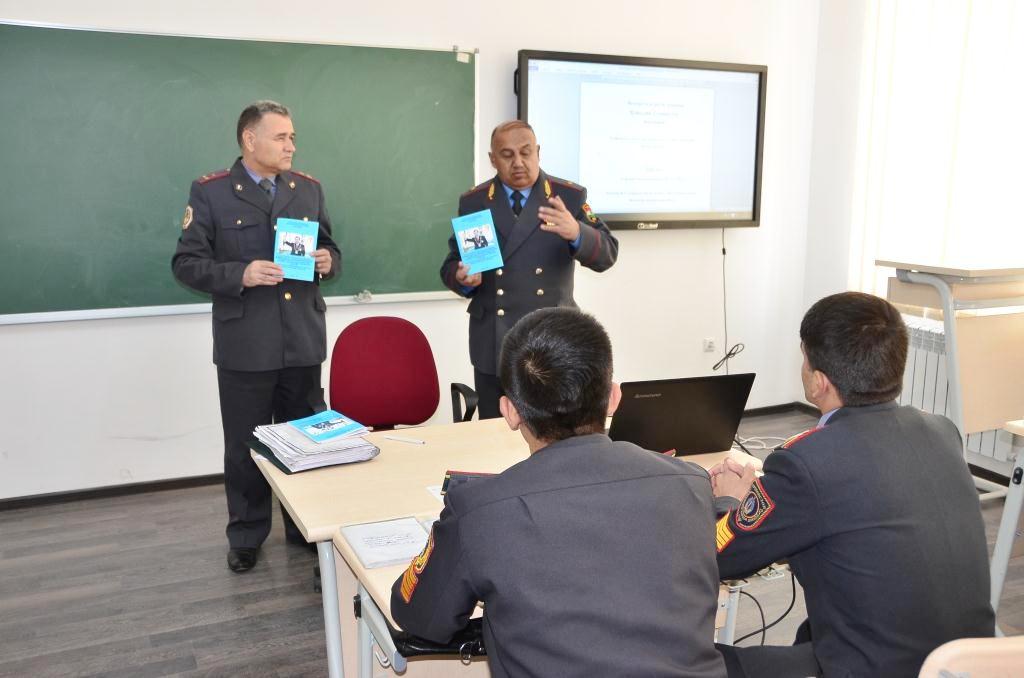
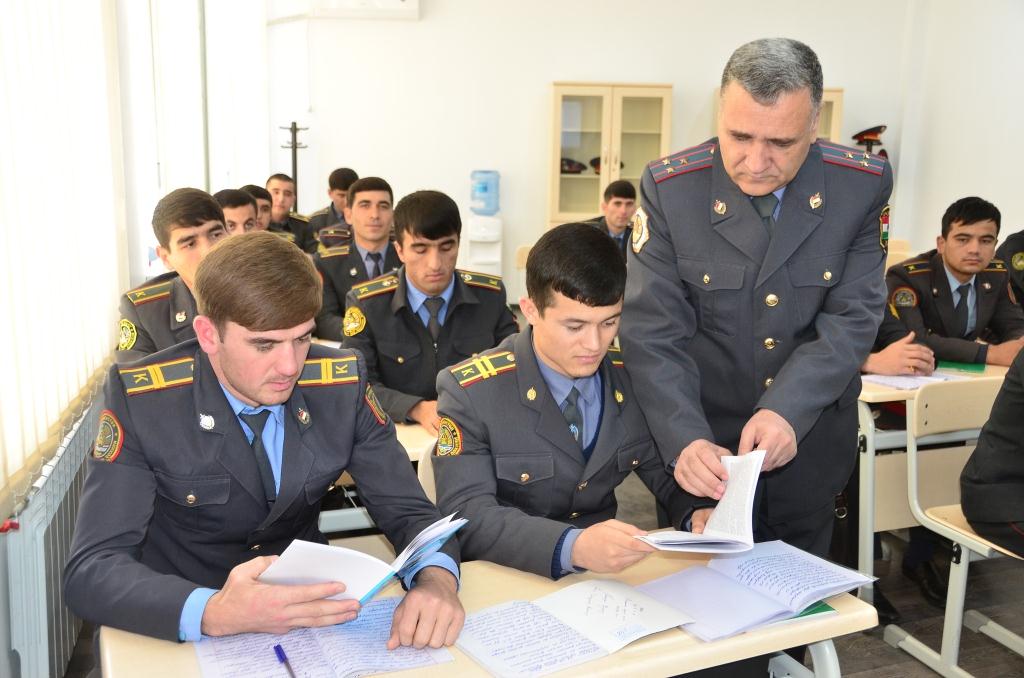
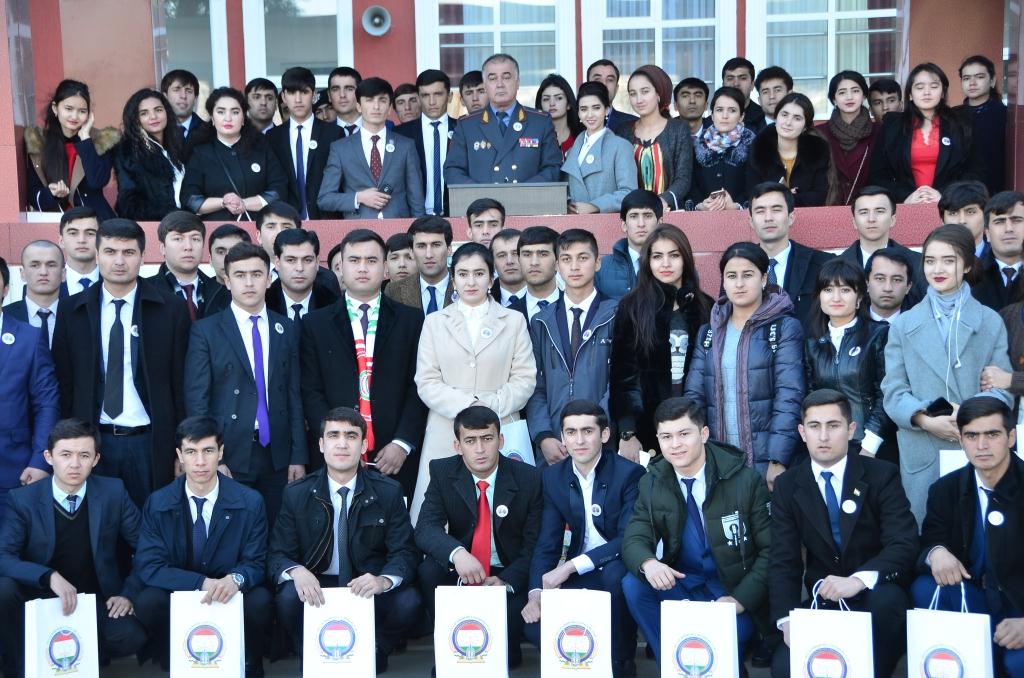
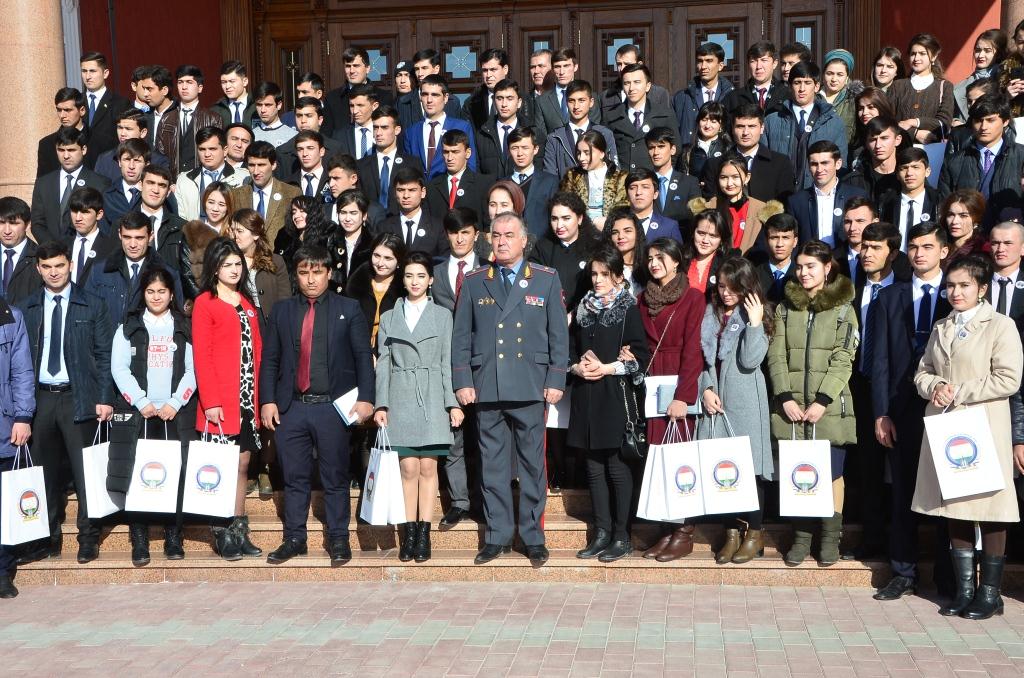
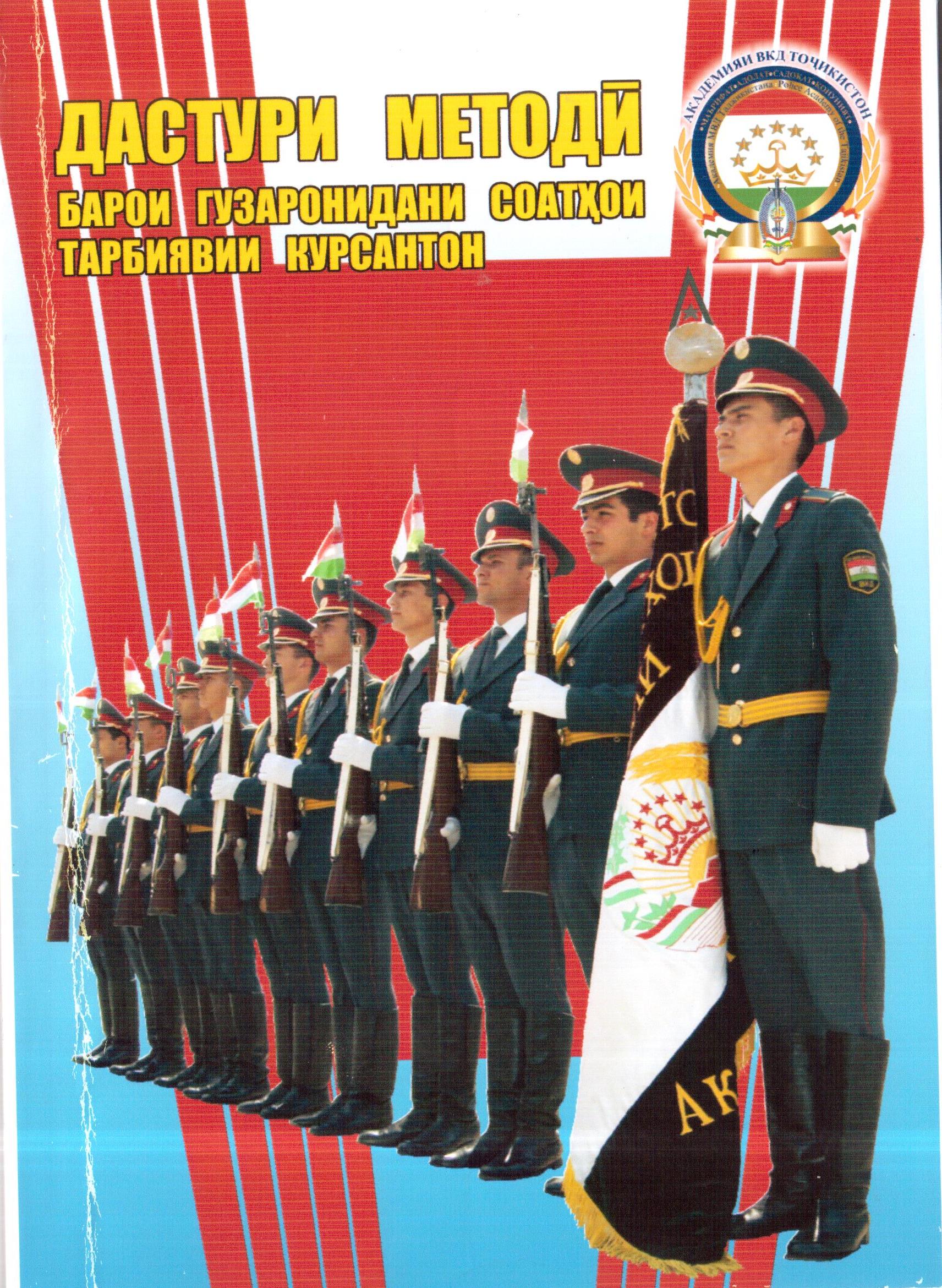
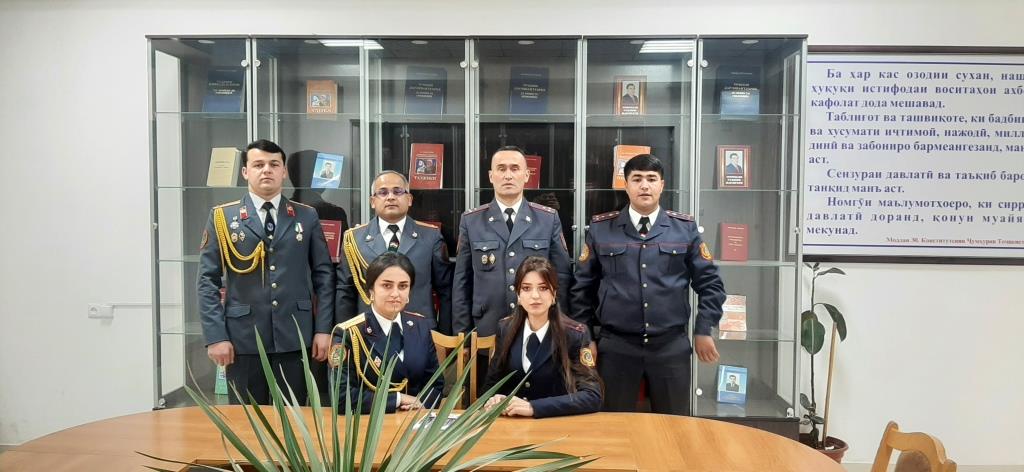
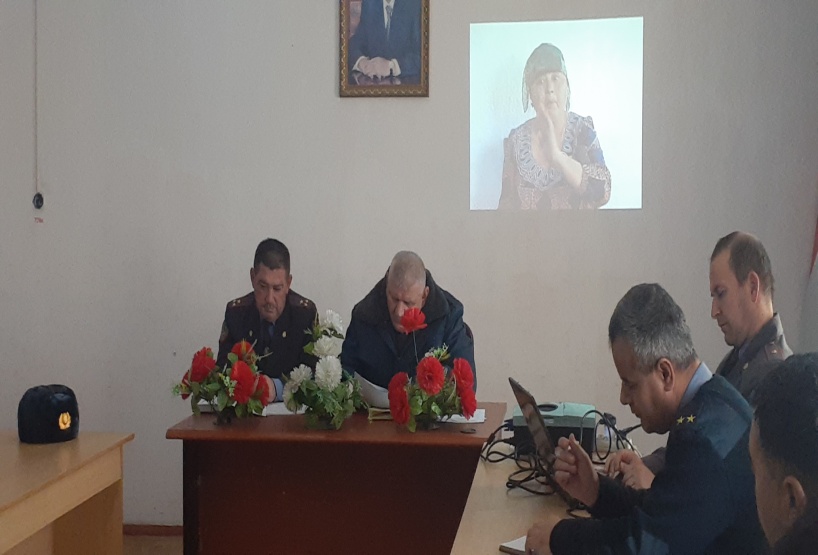
Within the walls of our Academy, Navruz is interpreted as a period of spiritual purification and a reimagining of professional duty through the prism of universal morality. During this time, we place special emphasis on the continuity of generations by inviting veterans of the service, who pass on to the cadets not only practical experience but also an understanding of the vital importance of maintaining "moral purity" within the ranks of the police force. Traditions of charity and mutual assistance, such as "khashar," find direct reflection in professional ethics: a readiness to assist those in need, the protection of the vulnerable, and selfless service to society are the benchmarks established as the basis of pedagogical work specifically during the vernal equinox. We are convinced that discipline and the letter of the law must rest upon an individual’s internal conviction in justice and humanism; Navruz, with its philosophy of forgiving grievances and striving for a new quality of life, serves as an ideal platform for reinforcing these attributes in the minds of future defenders of the law.
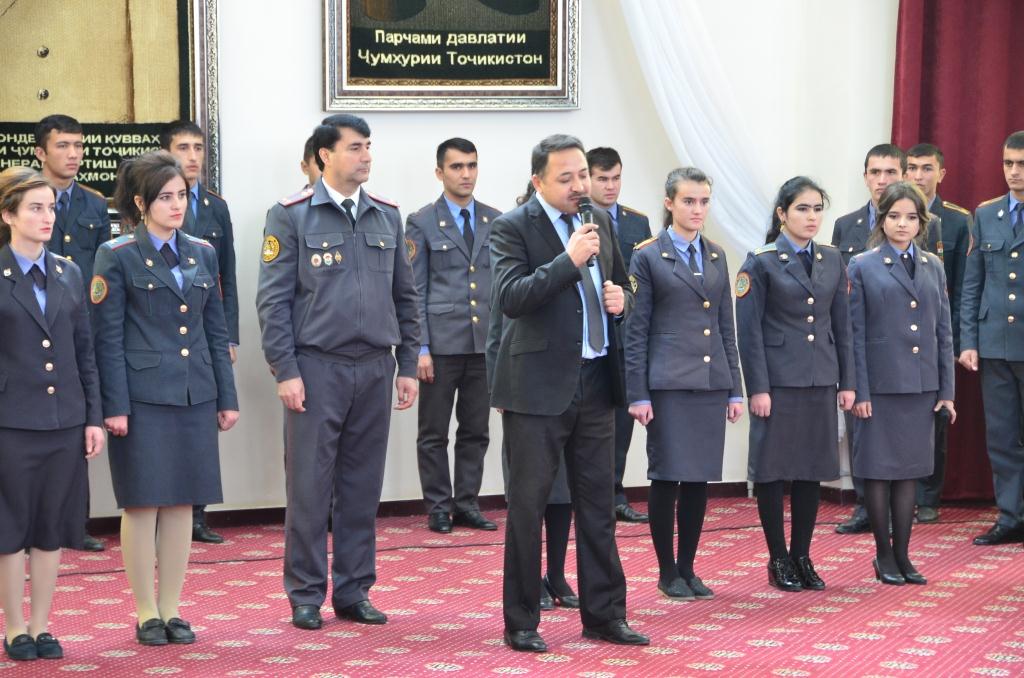
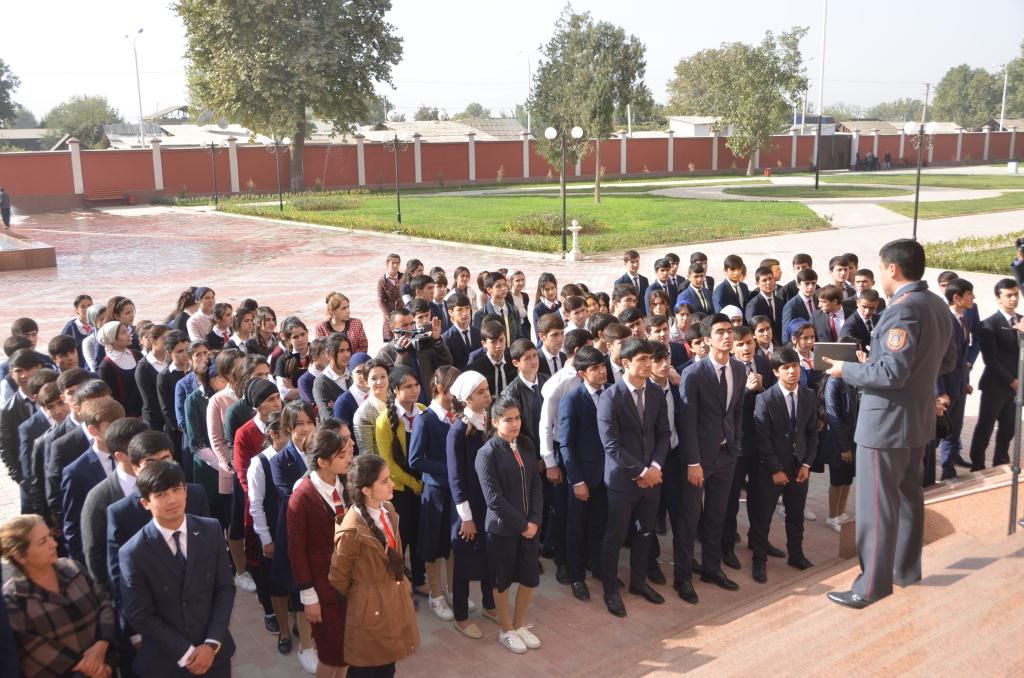
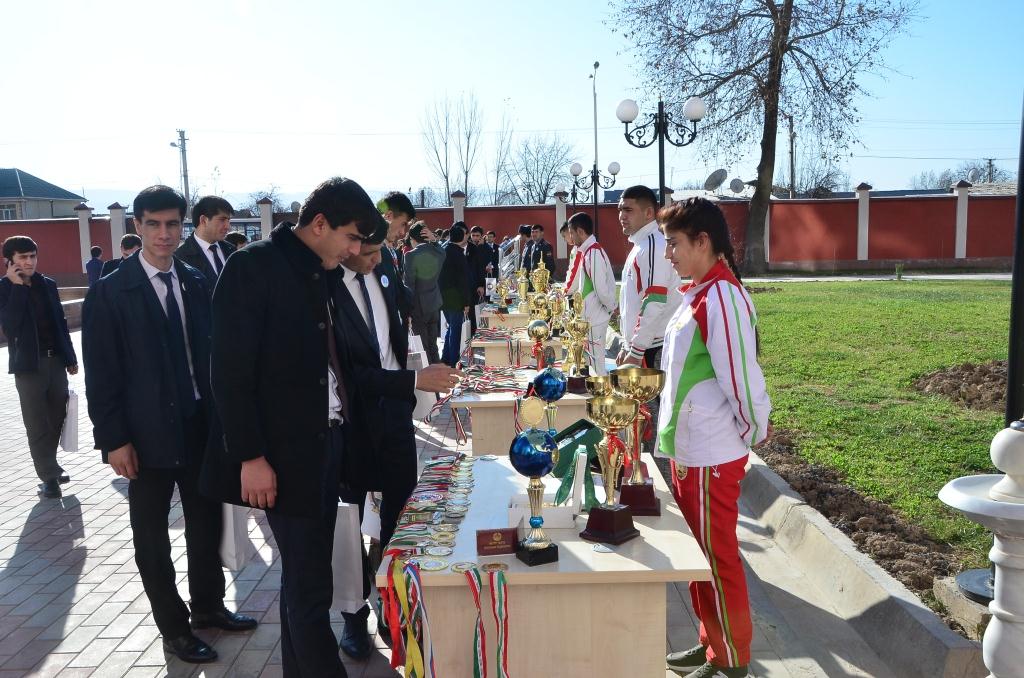
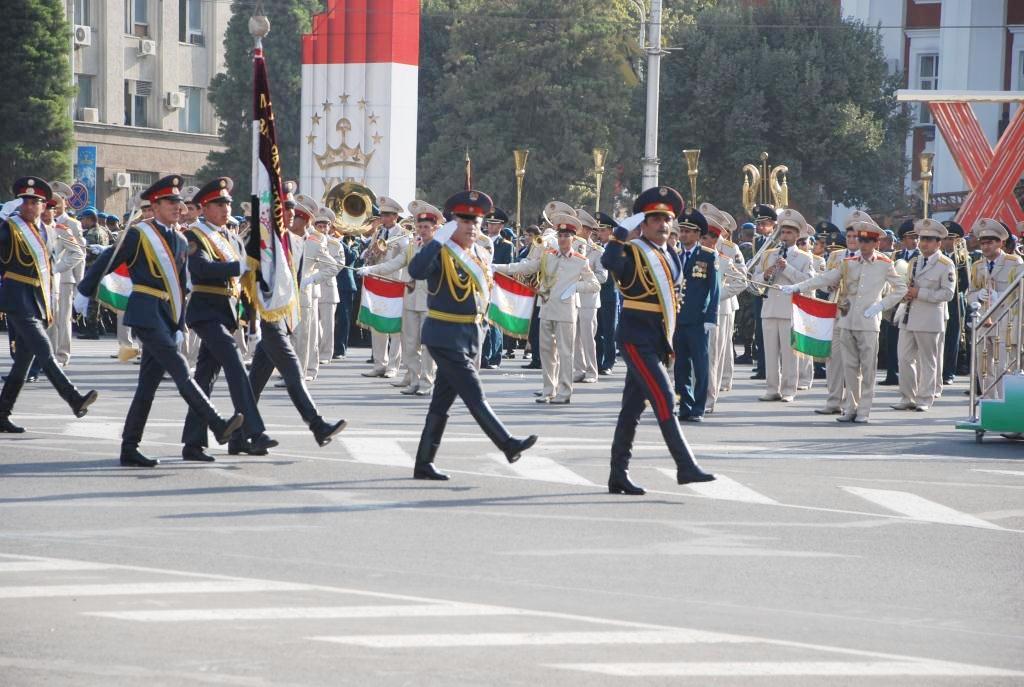
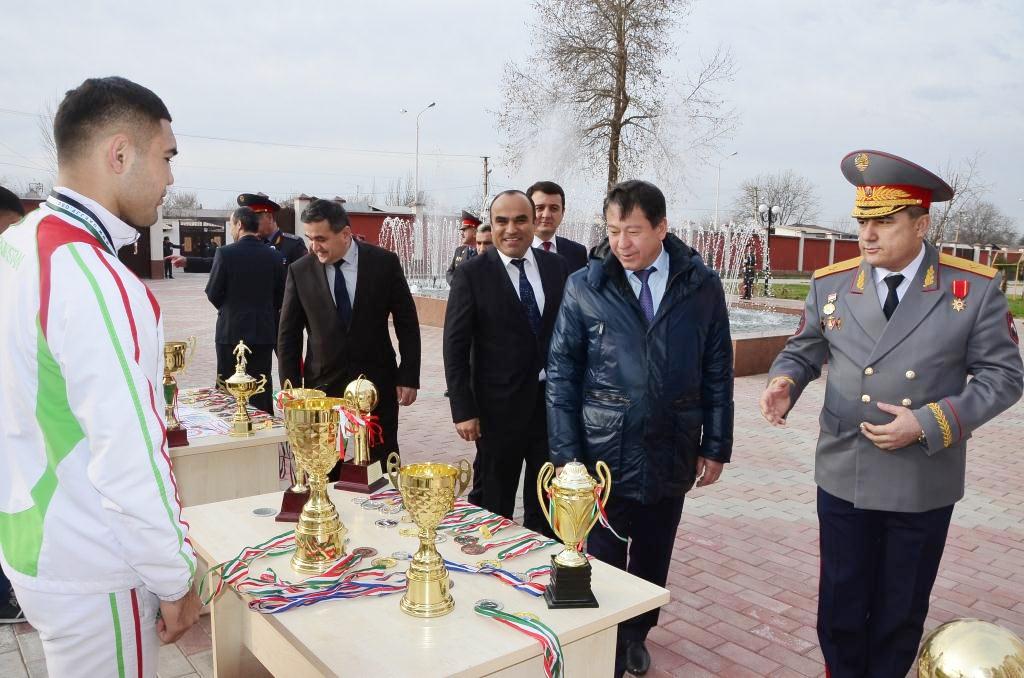
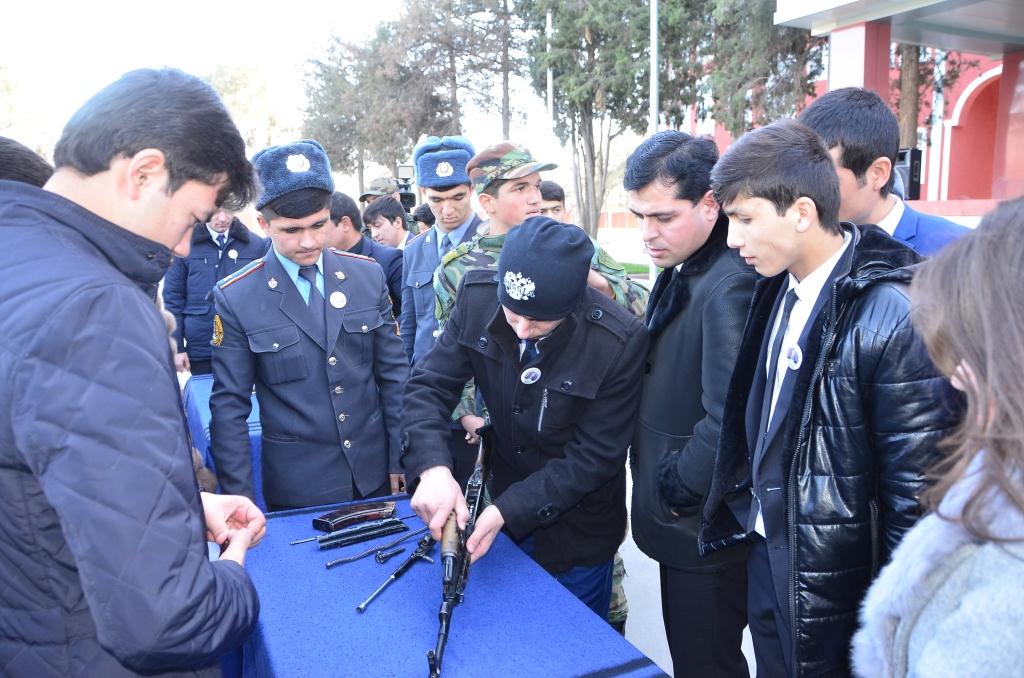
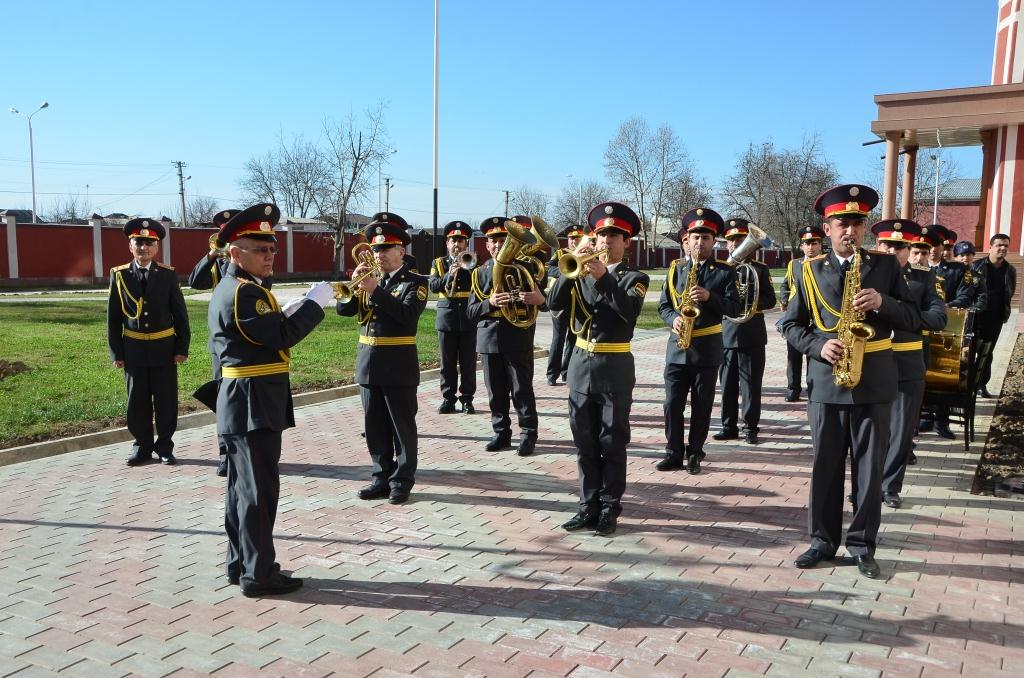
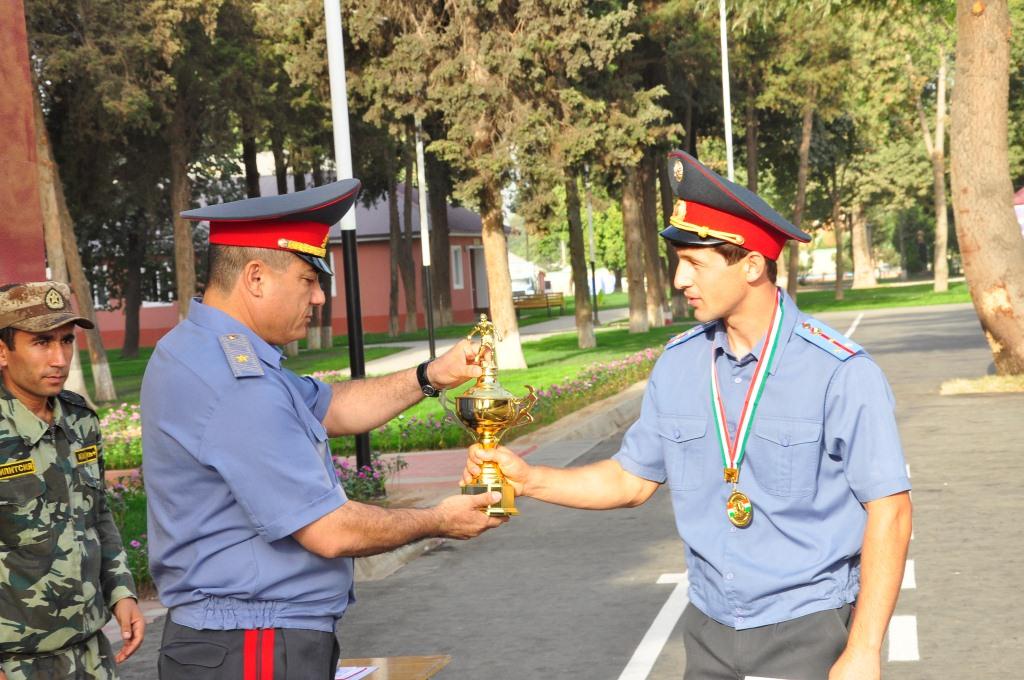
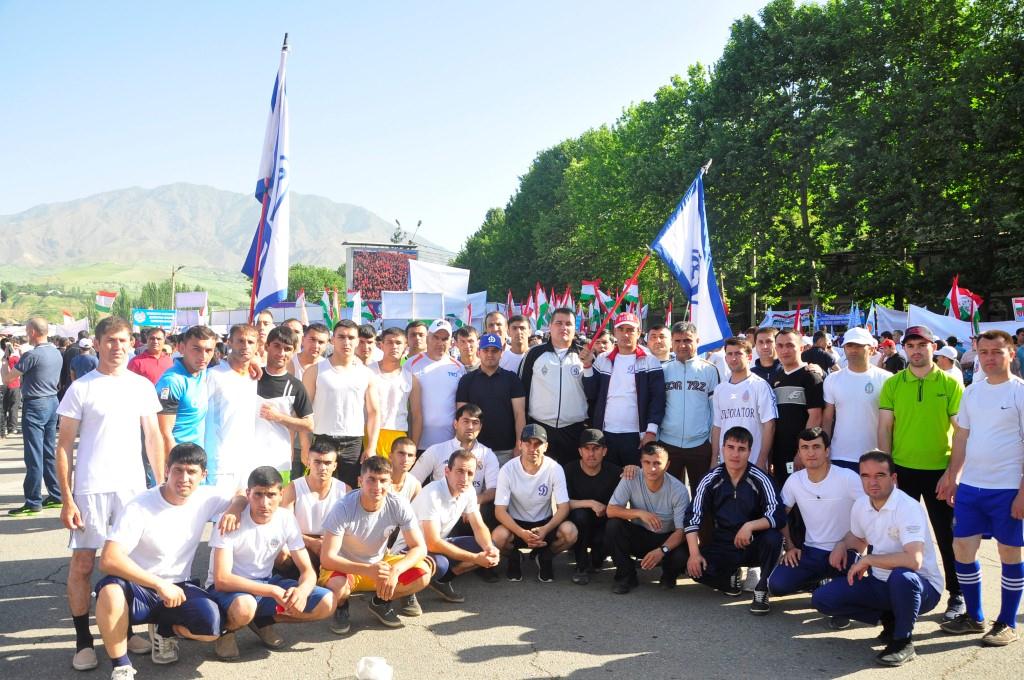
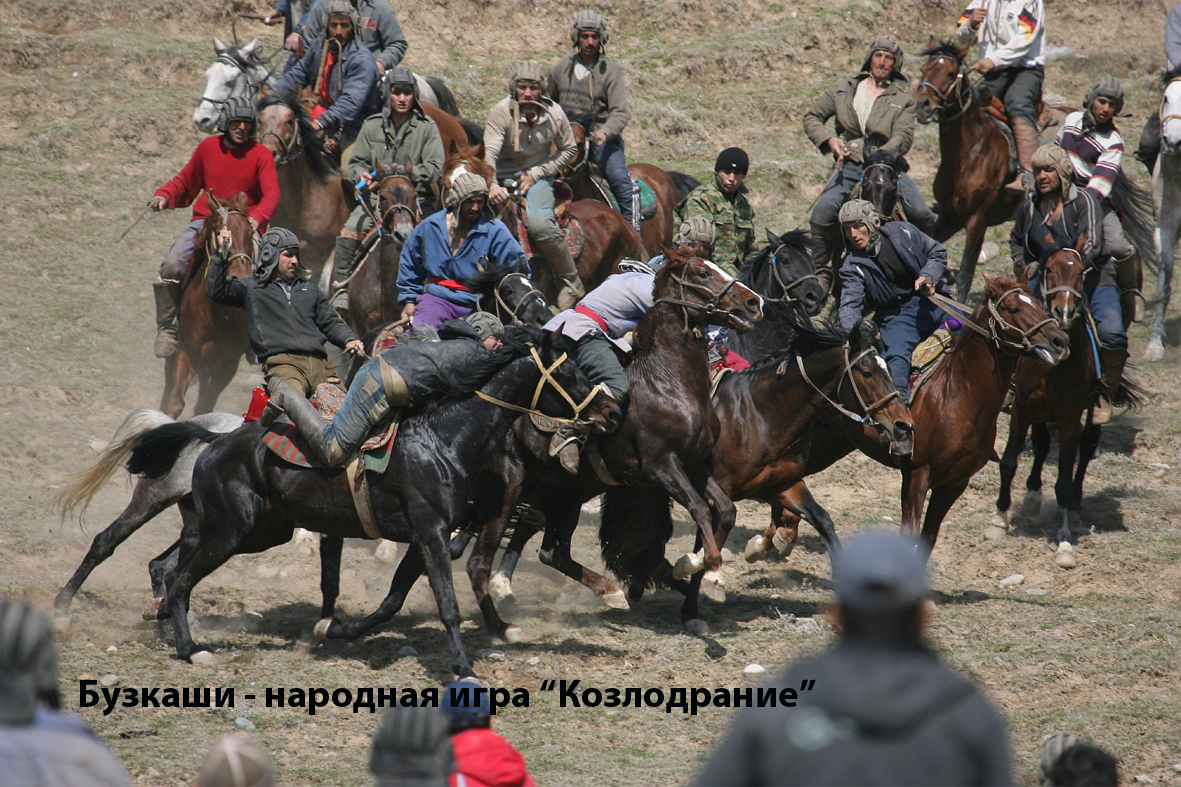
From a scientific and practical standpoint, the mass celebration of Navruz fulfills a crucial function of social prevention regarding deviant behavior. The organization of solemn events, athletic competitions, and cultural festivals contributes to the reduction of social tension and the strengthening of ties between law enforcement structures and civil society. For the students of the Academy, participating in the maintenance of public order during these days becomes a practical lesson in polite and cultured engagement with citizens, where the service-oriented model of policing takes center stage. We view Navruz as a time for active dialogue with the youth, where the values of a law-abiding lifestyle are transmitted through folk games and national rituals. Statistics demonstrate that periods of national spiritual uplift are characterized by an increase in the sense of collective responsibility, which directly correlates with the Academy's mission to train personnel capable of not only suppressing crime but also acting as guarantors of stability and the psychological comfort of the population within a festive atmosphere.
Modern Navruz is inseparably linked to the idea of environmental security and the prudent treatment of natural resources, which is reflected in the Academy’s curricula regarding environmental law. Celebrating the beginning of the agricultural cycle and the renewal of nature dictates the necessity of forming a responsible attitude toward ecology in future officers as a component of public safety. As part of the festivities, cadets traditionally participate in afforestation campaigns and landscaping initiatives, which constitute an important element of labor education. We teach that the legal order begins with order in one’s immediate surroundings—in one’s home, on one’s plot, and in one’s city. Thus, the philosophy of Navruz is harmoniously integrated into the process of forming a legal culture where respect for the law goes hand in hand with respect for the environment and the heritage of our ancestors. Ultimately, our goal is to cultivate not merely an executor of official instructions, but an enlightened citizen who sees Navruz as a source of inspiration for honest and selfless labor for the benefit of the Motherland.
Summarizing the aforementioned, it should be emphasized that for the Academy of the Ministry of Internal Affairs, Navruz is not only a calendar event but a significant milestone in the annual cycle of ideological work. It allows for the integration of national traditions into the modern system of legal education, making the learning process deeper and more emotionally resonant. We believe that the spirit of this bright holiday will continue to facilitate the strengthening of discipline, patriotism, and high professionalism among our personnel, ensuring the inviolability of the legal foundations of our state.
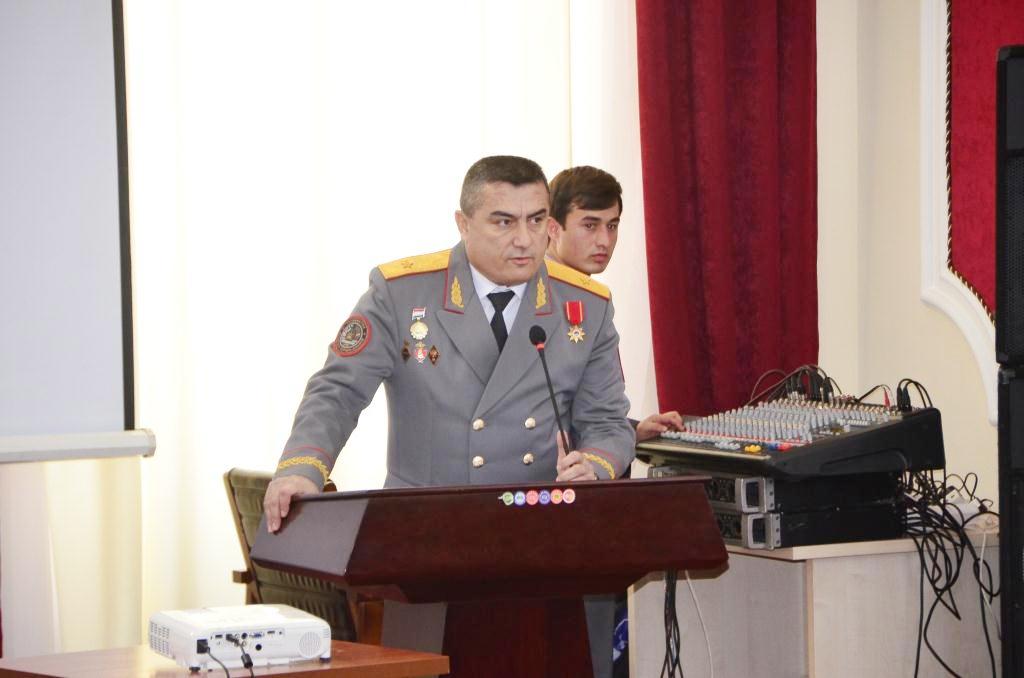
Head of the Department of Management
Theory in Law Enforcement, Faculty No. 1,
Lieutenant Colonel of the Militia, PhD in Law Rustamzoda A.Q.
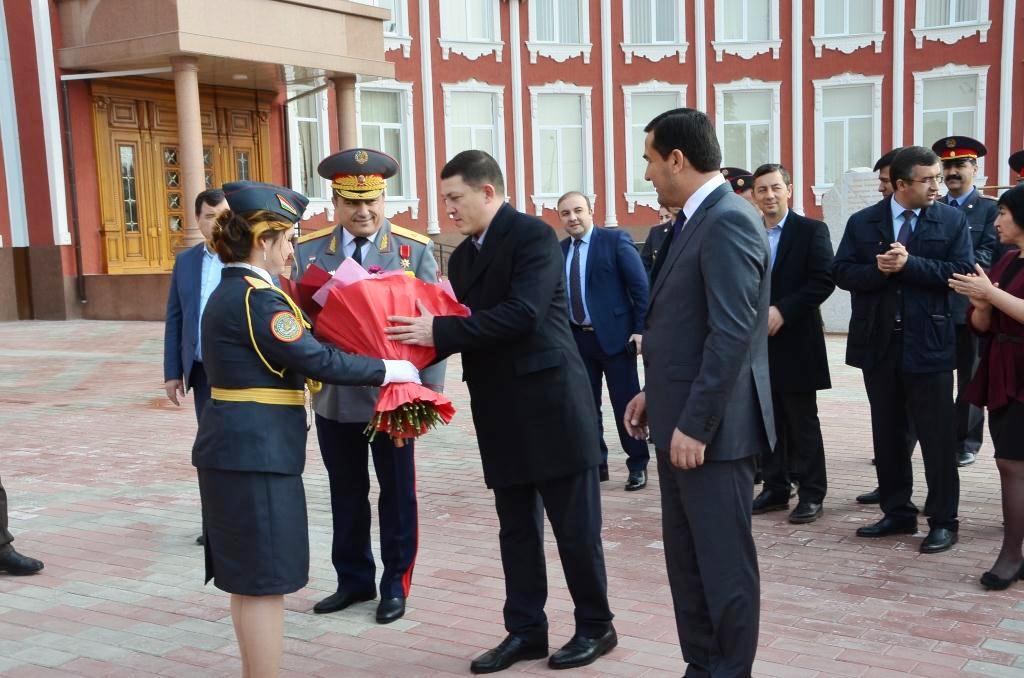
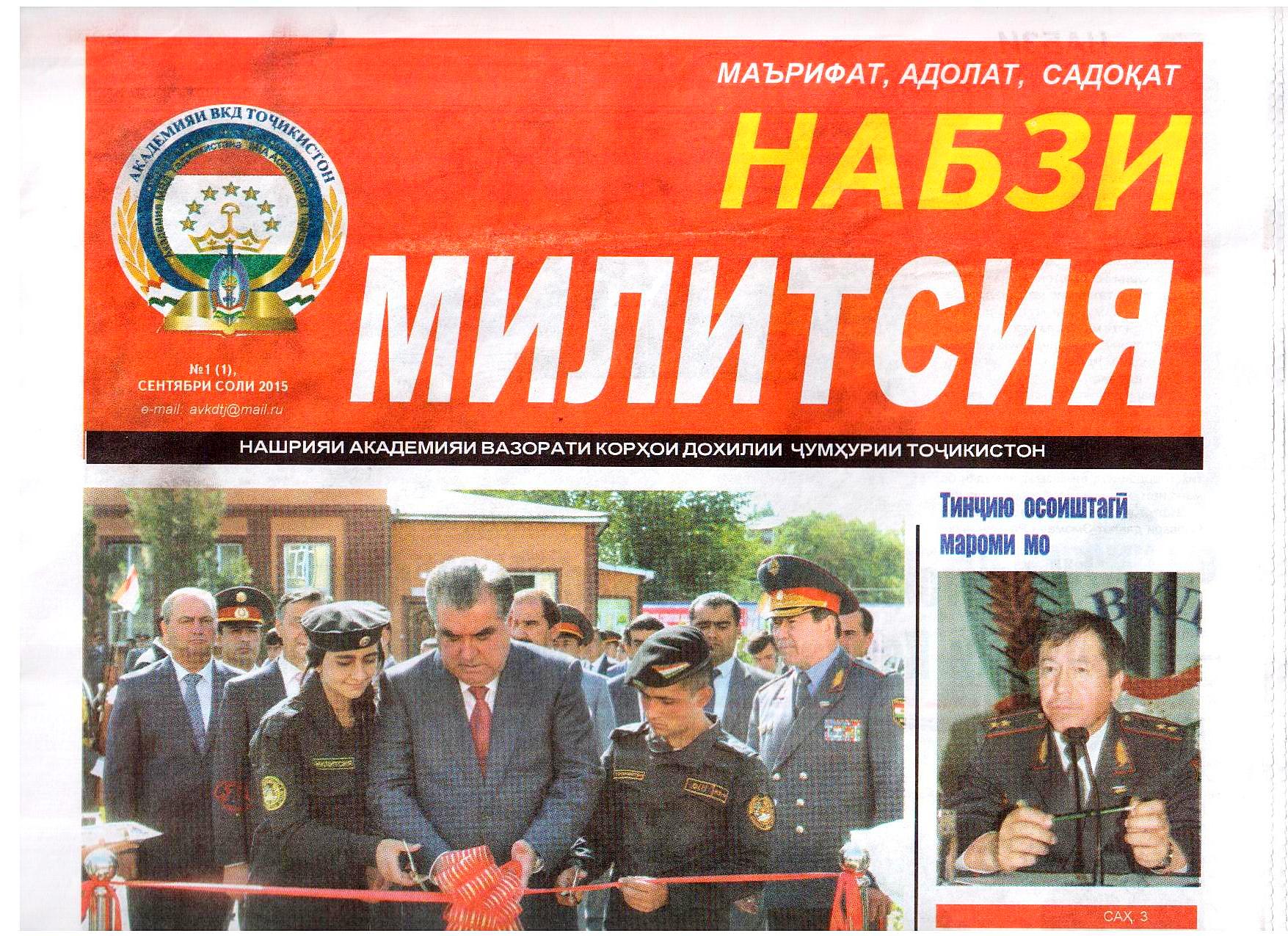
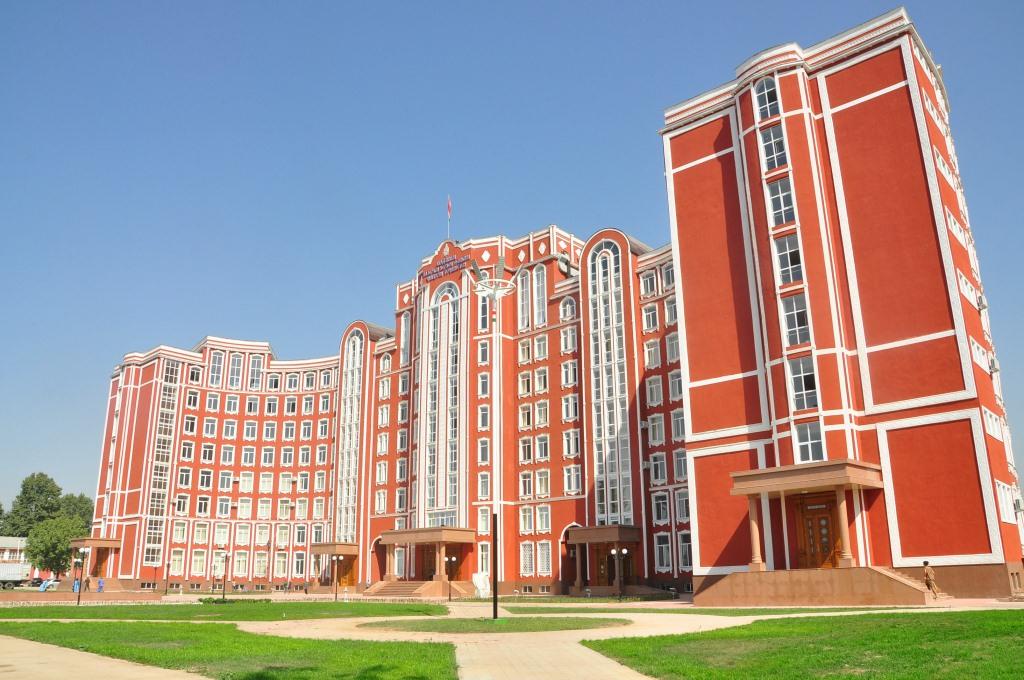
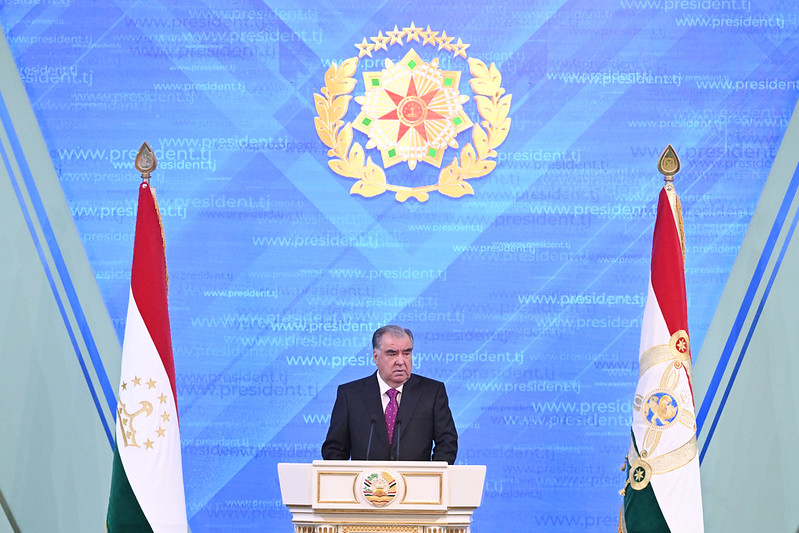
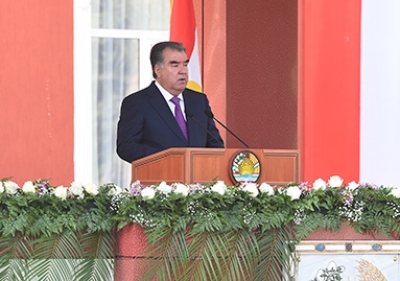 Statement by the Founder of Peace and National Unity, the Leader of the Nation, the President of the Republic of Tajikistan on the occasion of the Day of Knowledge and the opening of the new building of the Academy of the Ministry of Internal Affairs
 Rahimzoda Ramazon Hamro – The Minister of Internal Affairs of the Republic of Tajikistan
 Academy of the Ministry of Internal Affairs of the Republic of Tajikistan